Young, Black, and Missing In America: Where Are These D.C. Children?
Posted by David Adams on March 30th, 2026
Washington, D.C. is the capital of the United States, yet far too many children can go missing here without the kind of nonstop national alarm their disappearances should trigger. For Black children especially, the silence often feels even louder. Their faces do not always dominate the news cycle. Their names do not always trend. Their families do not always get the public urgency they deserve. But the Metropolitan Police Department’s own missing persons page makes one thing painfully clear: this crisis is not imagined. It is real, it is present, and it has names.
As of March 30, 2026, the juvenile names listed on the Metropolitan Police Department’s “Currently Missing” page include Kimora White, 13; Joshua Quigley, 15; Malaysia Allen, 12; ARi Talley, 17; Khalil Hall, 16; Laynya Fitzhugh, 16; Jamiyah Davis, 14; Yaniza Almendarez-Zecena, 15; Paige Doye, 15; Janelle Thomas, 17; Zori Johnson, 12; Micah Carrington, 17; Amari Wilson, 16; Delayja Stewart, 14; Kyon Jones, 2 months; and Relisha T. Rudd, 8. MPD’s page also shows when they were reported missing, with several posted in March 2026 alone. D.C. Metropolitan Police Missing
These are not talking points. These are not passing blurbs for people to scroll past. These are someone’s children. And every single name should be forcing a larger public reckoning about how this country responds when young people, especially Black children, go missing.
What’s troubling is how easy it is for the public to become numb. A police webpage updates. A new flier appears. Another child’s name is added. Then the day moves on as though this is normal. But there is nothing normal about a city carrying this many missing juvenile cases on a public law-enforcement page. There is nothing normal about that at all.
To be clear, MPD says the page is updated daily and that information changes in real time as missing people are reported and found. The department also notes that fliers are removed when a missing person is located. That matters. Accuracy matters. But even with that reality, the larger question still stands. Why does it take so little to make these children disappear from public conversation, even when they have not yet returned home? That’s where the real indictment should begin.
America has a long and ugly habit of deciding which missing children deserve saturation coverage and which ones get a fraction of that concern. Some children become household names. Others remain trapped on police websites, known mainly to grieving families, local advocates, and whoever happens to stumble across their photo online. That disparity is not accidental. It reflects whose innocence is centered, whose pain is amplified, and whose disappearances are treated like emergencies rather than routine entries in a database.
The name Relisha T. Rudd should still haunt this city. MPD’s page lists her as missing since March 1, 2014. That’s over 12 years. Her case should have permanently changed the way Washington responds to missing children. It should have created a culture of sustained vigilance. Instead, too often the lesson seems to have been forgotten, while more names continue to appear.
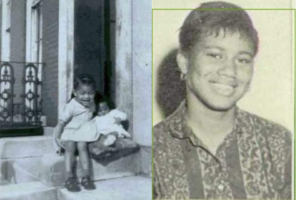
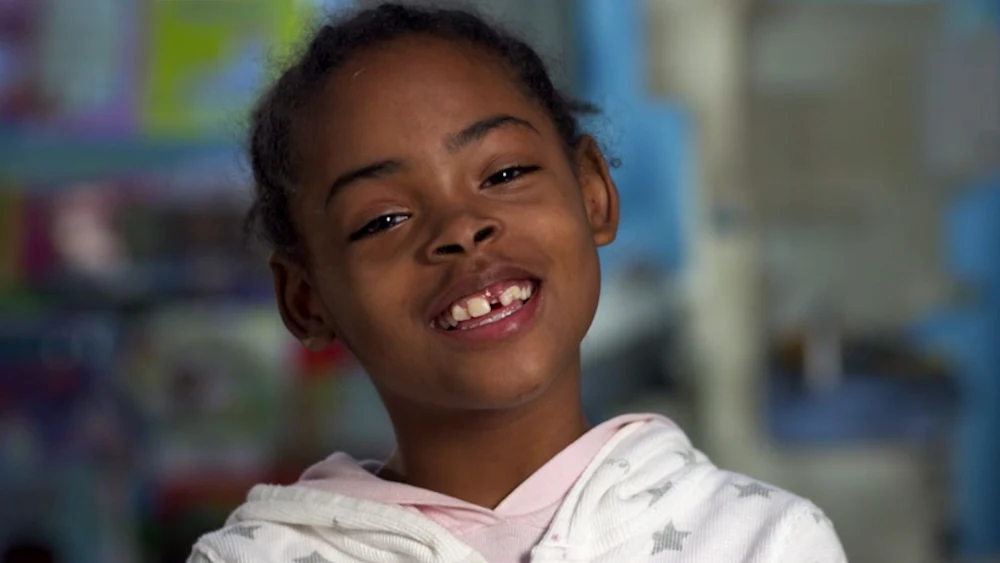
Young Relisha Rudd, missing since April 1, 2014.
That is why these names must be said. That is why these children must be seen. Naming the missing is one way of resisting the silence that too often swallows them. Every flier represents a family living in fear. Every date on that page marks another day of uncertainty, another day without answers, another day a child remains out of sight and, too often, out of the public mind.
Washington, D.C. should not be comfortable with this. The nation should not be comfortable with this. The media should not be comfortable with this. The public should not be comfortable with this. These children deserve more than a webpage. They deserve headlines. They deserve urgency. They deserve organized public attention. And above all, they deserve to be found.
Young, Black, and missing in America should never be a normal condition. In Washington, D.C., it is a moral emergency.
David B. Adams grew up in the Highlandtown section of Baltimore's southeast district and is his parent's youngest child. He experienced pervasive poverty, which taught him humility and compassion for the plight of others. His exposure to violence and gritty urban life were some of his early lessons of life's many hardships. Adams credits the upheavals he endured during his conformity with helping to shape the foundation of his outlook and perspectives on society.
With a steadfast commitment to giving voice to the voiceless, Adams is a journalist, crime writer, and blogger renowned for tireless investigative journalism and advocacy on behalf of vulnerable populations. As founder and administrator of The People's Champion, Adams sheds light on critical social issues, championing the rights of:
- Homeless individuals
- Victims of violent crime and their families
- Wrongfully convicted individuals
- Missing and exploited children; Additionally, he is
a seasoned investigative reporter, Adams has earned recognition for relentless pursuit of truth and justice. With a strong national and global focus, on inspiring meaningful change and crucial conversations impacting all of humanity.
Washington, D.C. is the capital of the United States, yet far too many children can go missing here without the kind of nonstop national alarm their disappearances should trigger. For Black children especially, the silence often feels even louder. Their faces do not always dominate the news cycle. Their names do not always trend. Their families do not always get the public urgency they deserve. But the Metropolitan Police Department’s own missing persons page makes one thing painfully clear: this crisis is not imagined. It is real, it is present, and it has names.
As of March 30, 2026, the juvenile names listed on the Metropolitan Police Department’s “Currently Missing” page include Kimora White, 13; Joshua Quigley, 15; Malaysia Allen, 12; ARi Talley, 17; Khalil Hall, 16; Laynya Fitzhugh, 16; Jamiyah Davis, 14; Yaniza Almendarez-Zecena, 15; Paige Doye, 15; Janelle Thomas, 17; Zori Johnson, 12; Micah Carrington, 17; Amari Wilson, 16; Delayja Stewart, 14; Kyon Jones, 2 months; and Relisha T. Rudd, 8. MPD’s page also shows when they were reported missing, with several posted in March 2026 alone. D.C. Metropolitan Police Missing
These are not talking points. These are not passing blurbs for people to scroll past. These are someone’s children. And every single name should be forcing a larger public reckoning about how this country responds when young people, especially Black children, go missing.
What’s troubling is how easy it is for the public to become numb. A police webpage updates. A new flier appears. Another child’s name is added. Then the day moves on as though this is normal. But there is nothing normal about a city carrying this many missing juvenile cases on a public law-enforcement page. There is nothing normal about that at all.
To be clear, MPD says the page is updated daily and that information changes in real time as missing people are reported and found. The department also notes that fliers are removed when a missing person is located. That matters. Accuracy matters. But even with that reality, the larger question still stands. Why does it take so little to make these children disappear from public conversation, even when they have not yet returned home? That’s where the real indictment should begin.
America has a long and ugly habit of deciding which missing children deserve saturation coverage and which ones get a fraction of that concern. Some children become household names. Others remain trapped on police websites, known mainly to grieving families, local advocates, and whoever happens to stumble across their photo online. That disparity is not accidental. It reflects whose innocence is centered, whose pain is amplified, and whose disappearances are treated like emergencies rather than routine entries in a database.
The name Relisha T. Rudd should still haunt this city. MPD’s page lists her as missing since March 1, 2014. That’s over 12 years. Her case should have permanently changed the way Washington responds to missing children. It should have created a culture of sustained vigilance. Instead, too often the lesson seems to have been forgotten, while more names continue to appear.
Young Relisha Rudd, missing since April 1, 2014.
That is why these names must be said. That is why these children must be seen. Naming the missing is one way of resisting the silence that too often swallows them. Every flier represents a family living in fear. Every date on that page marks another day of uncertainty, another day without answers, another day a child remains out of sight and, too often, out of the public mind.
Washington, D.C. should not be comfortable with this. The nation should not be comfortable with this. The media should not be comfortable with this. The public should not be comfortable with this. These children deserve more than a webpage. They deserve headlines. They deserve urgency. They deserve organized public attention. And above all, they deserve to be found.
Young, Black, and missing in America should never be a normal condition. In Washington, D.C., it is a moral emergency.
David B. Adams grew up in the Highlandtown section of Baltimore's southeast district and is his parent's youngest child. He experienced pervasive poverty, which taught him humility and compassion for the plight of others. His exposure to violence and gritty urban life were some of his early lessons of life's many hardships. Adams credits the upheavals he endured during his conformity with helping to shape the foundation of his outlook and perspectives on society.
With a steadfast commitment to giving voice to the voiceless, Adams is a journalist, crime writer, and blogger renowned for tireless investigative journalism and advocacy on behalf of vulnerable populations. As founder and administrator of The People's Champion, Adams sheds light on critical social issues, championing the rights of:
- Homeless individuals
- Victims of violent crime and their families
- Wrongfully convicted individuals
- Missing and exploited children; Additionally, he is
a seasoned investigative reporter, Adams has earned recognition for relentless pursuit of truth and justice. With a strong national and global focus, on inspiring meaningful change and crucial conversations impacting all of humanity.
Missing Since Oct 19, 2013 Missing From Newark, NJ Age Now 14 Anyone with information regarding the whereabouts of Victoria Williams may contact Newark Police at (973) 733-6000
(CBS/AP) WATERVILLE, Maine - For the first time in the ongoing investigation of missing toddler Ayla Reynolds, police have said they believe she has been kidnapped. Investigators said Monday the 20-month-old was taken away and did not walk out on on her own.Police Chief Joseph Massey said at a news conference, "At this point in […]
DETROIT (WJBK) -- Detroit Police has announced it has joined forces with Michigan State Police and the FBI to find two missing children after their mother was found dead Monday. The Michigan State Police earlier denied a Detroit police request for an Amber Alert to be issued. "What I'm told is [The Amber Alert] didn't […]
 RSS Feed
 Twitter










 Posted in