A Spiritual Discovery in Little Liberia: Bridgeport’s Forgotten Gateway to Freedom

They say history rewards those who are willing to search for it, and as a journalist, a Black man, and a descendant of people whose history was too often stolen, buried, distorted, or deliberately erased, I have developed an endless thirst for knowledge about the story of my people. Black and Indigenous people in America. That thirst is not casual curiosity. It is spiritual, ancestral, and the kind of hunger that pulls you toward places you did not know were calling your name. That’s what happened when I stumbled upon the Mary and Eliza Freeman Houses in the South End of Bridgeport, Connecticut.

Standing before those gated, weathered structures, I felt something I could not immediately explain. It was almost like déjà vu, as if I had been there before, or as if something from beyond time had led me to that exact spot. The houses and block were quiet, but history was not quiet. The air seemed heavy with memory as the ground seemed to speak to me. Before me stood the last remaining physical remnants of Little Liberia, one of the most important and yet least talked about Black freedom communities in Connecticut history.

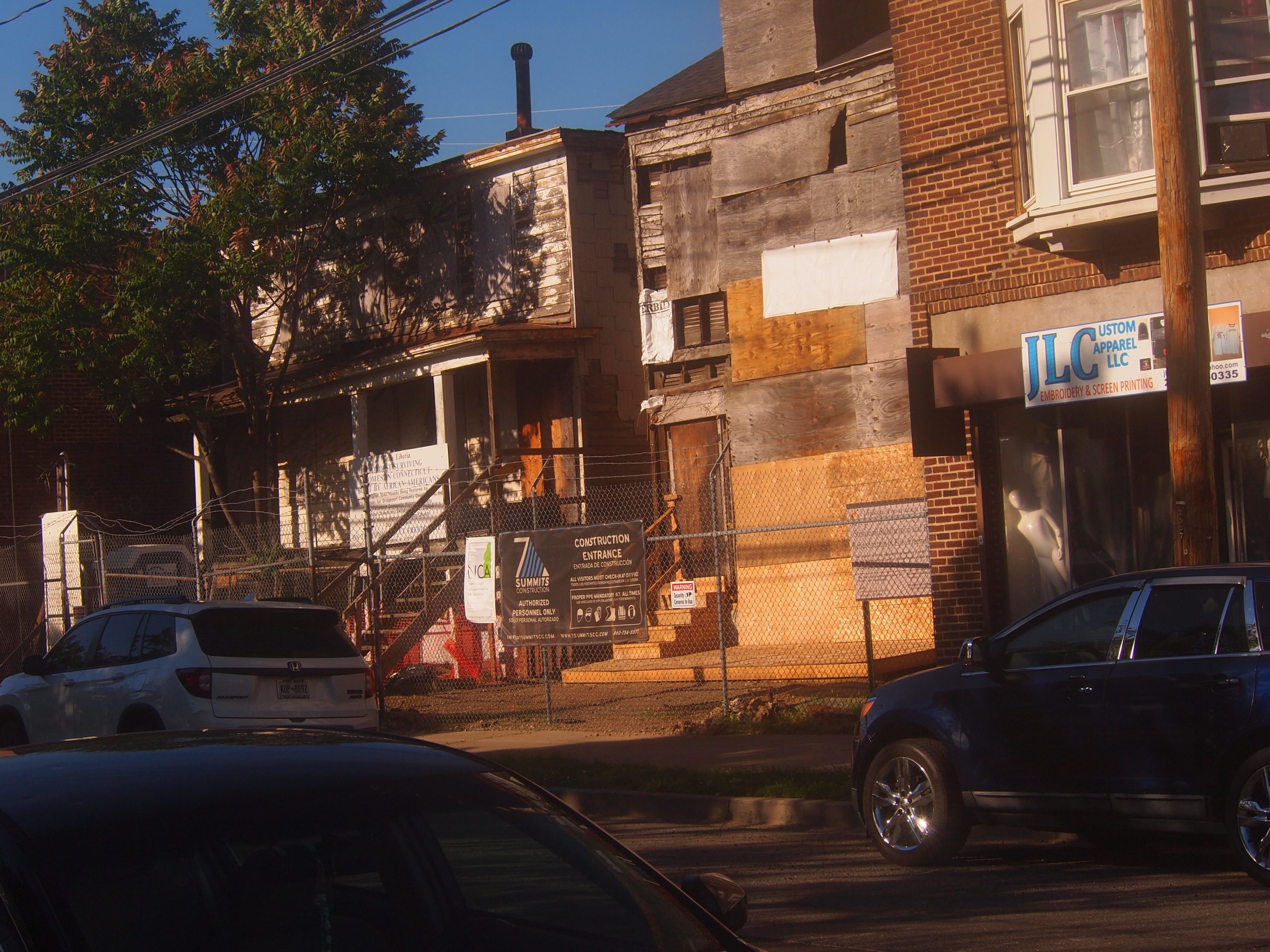
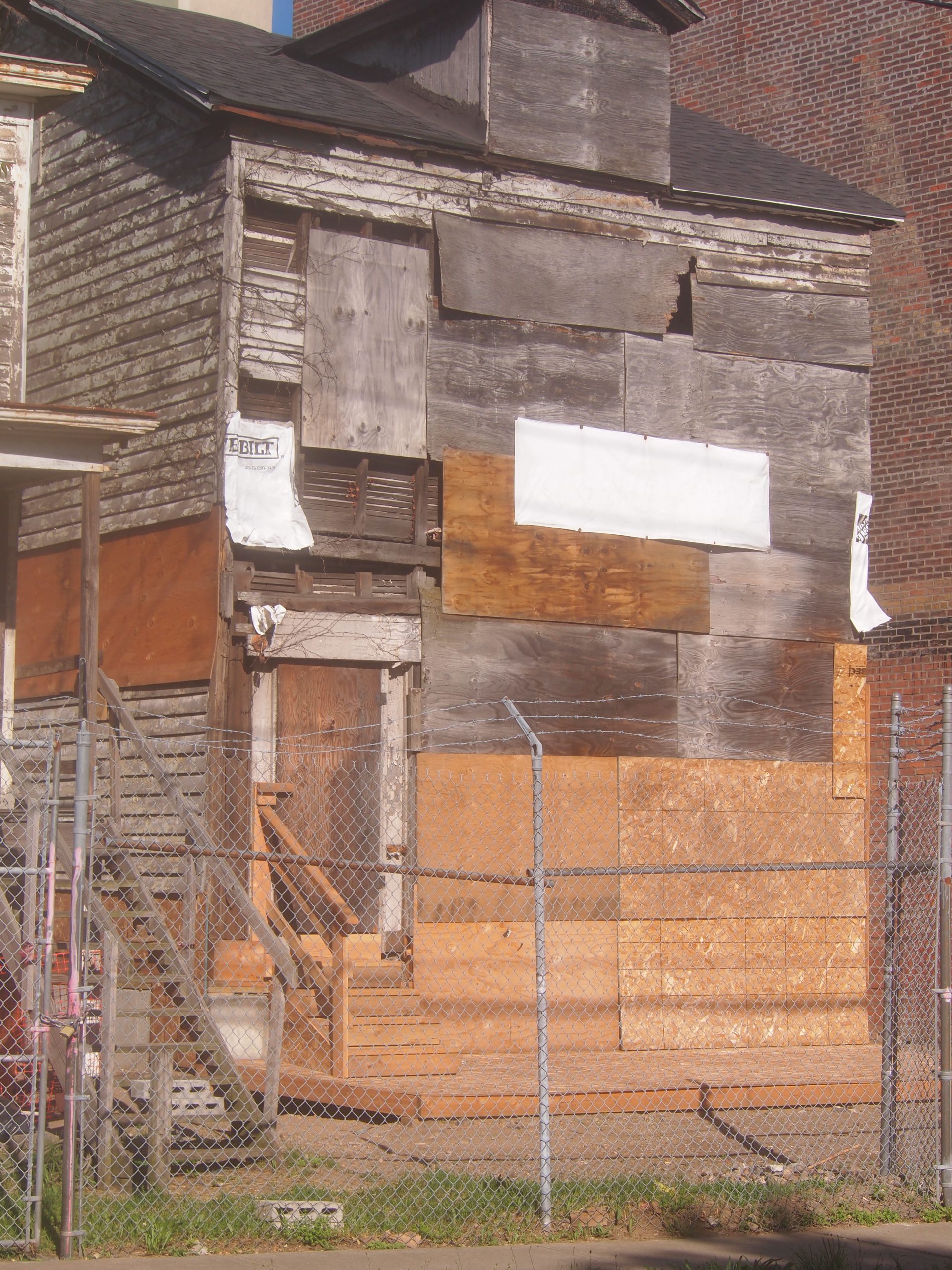
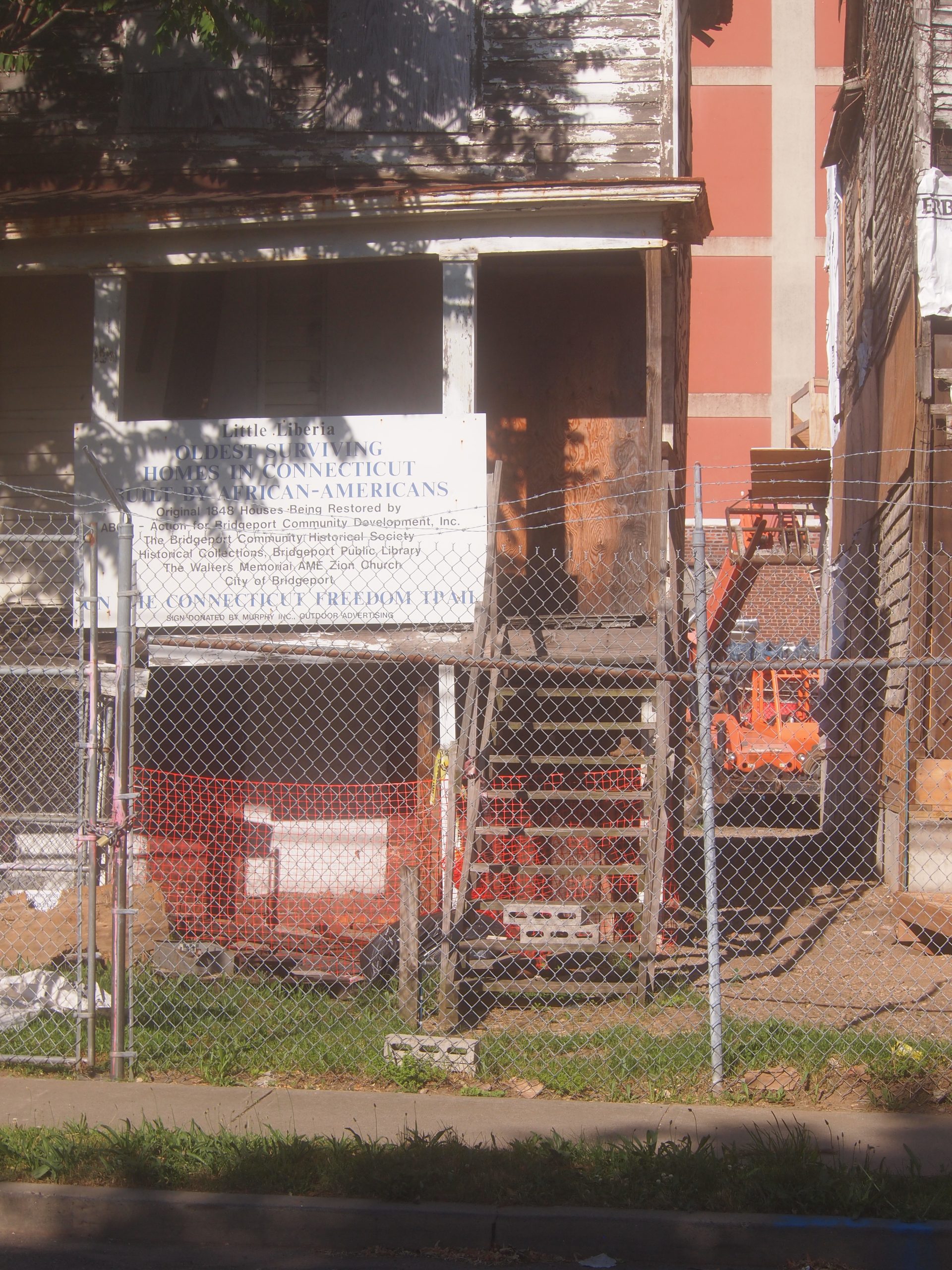
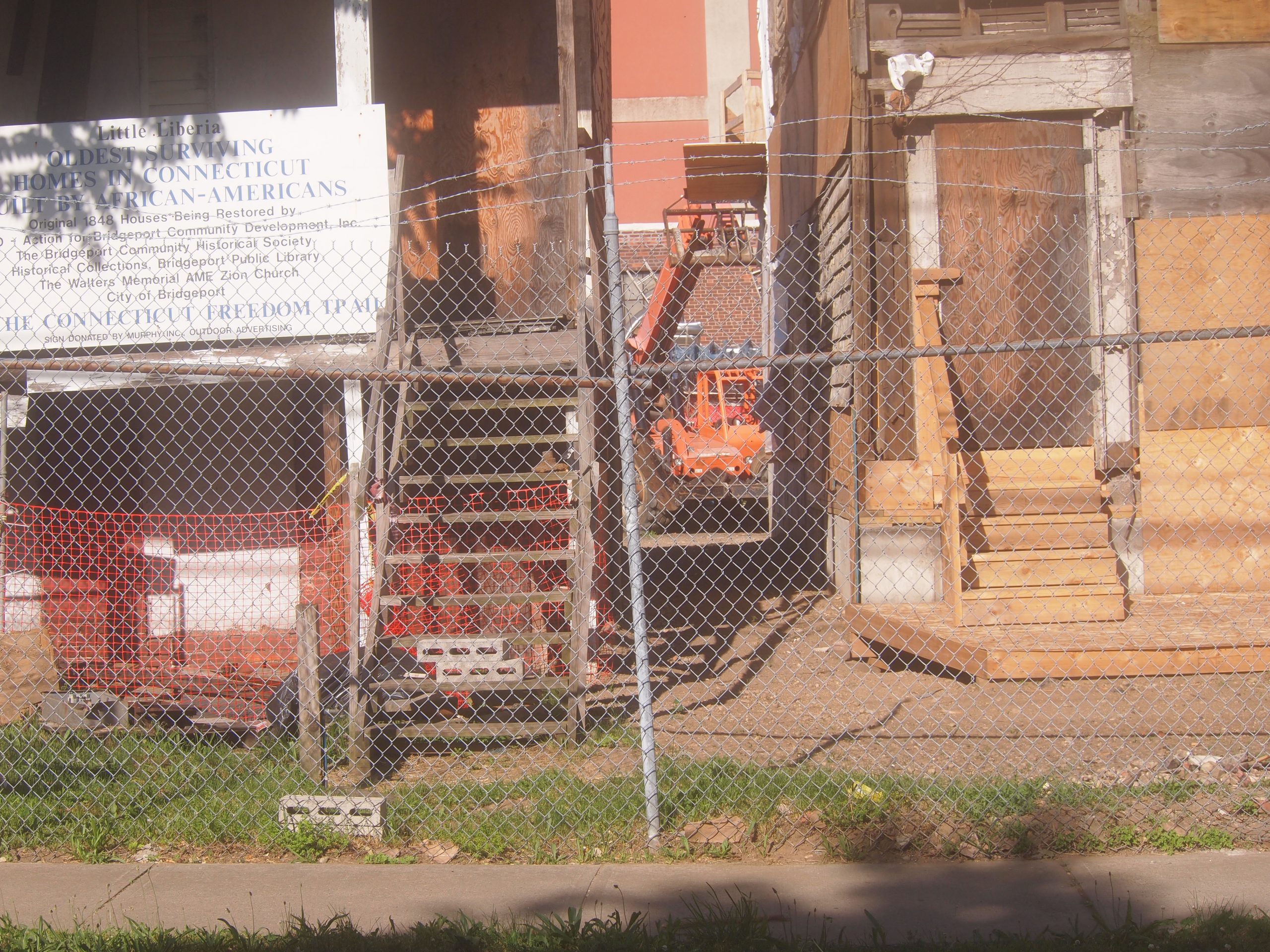
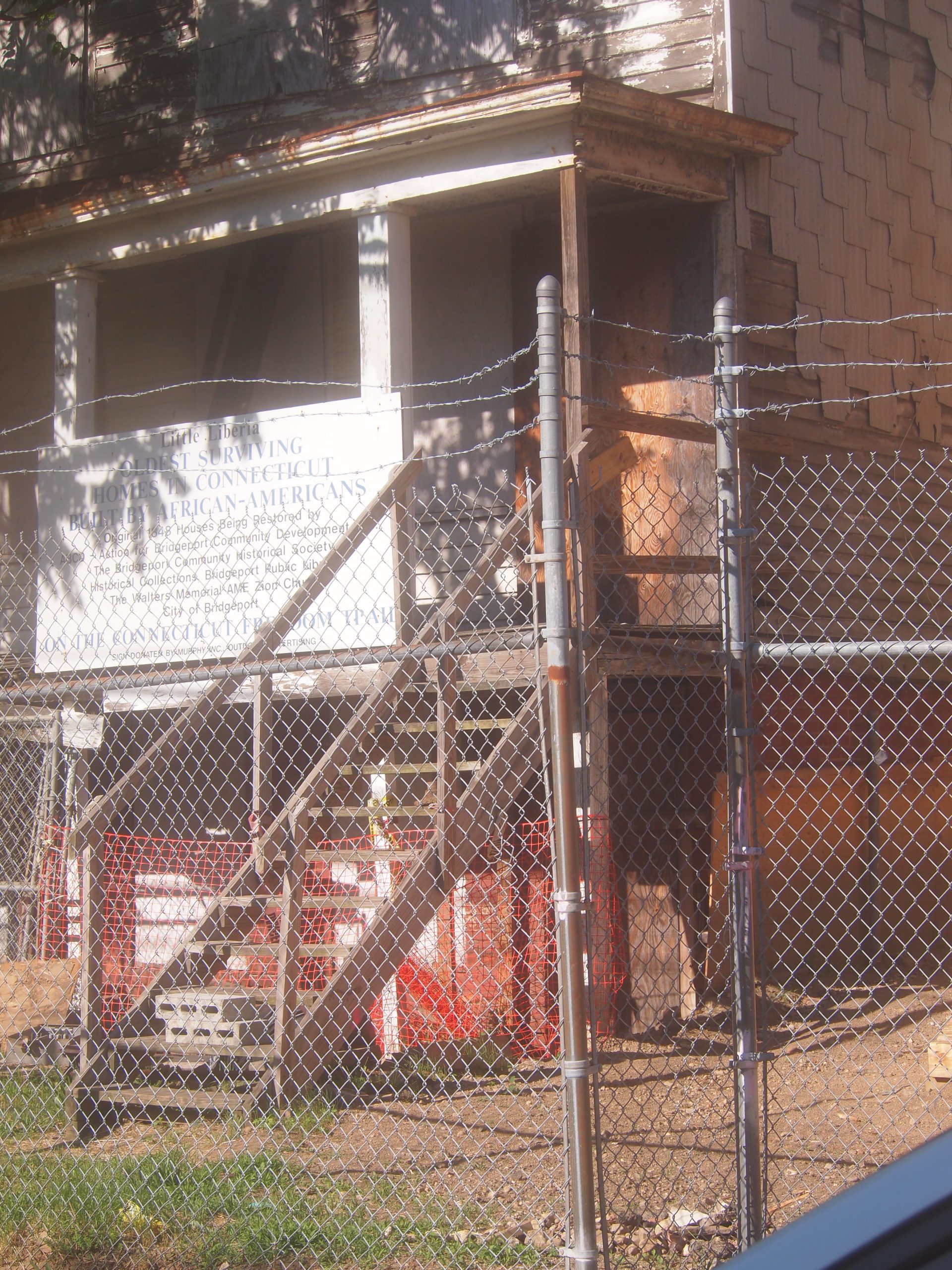
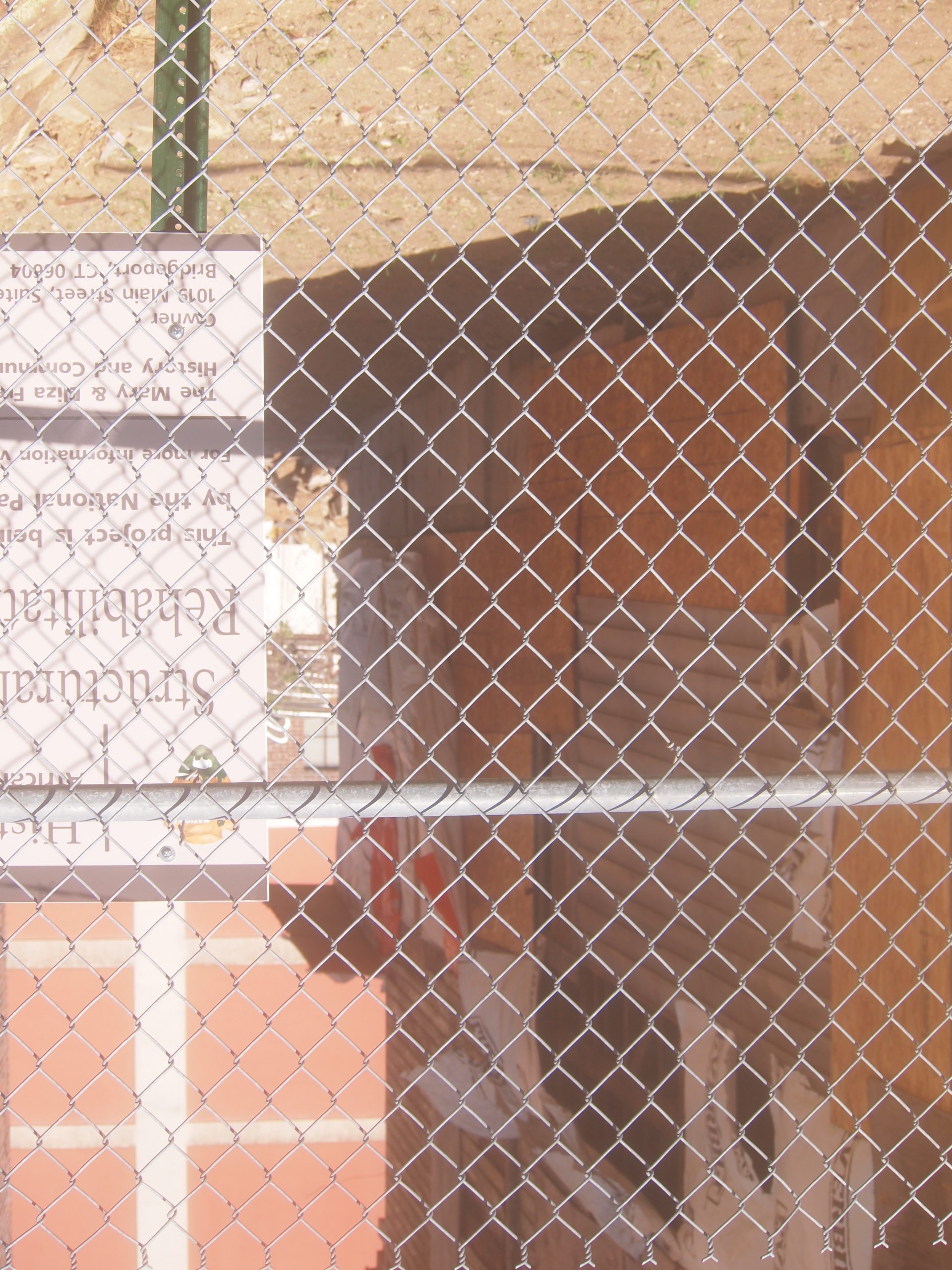
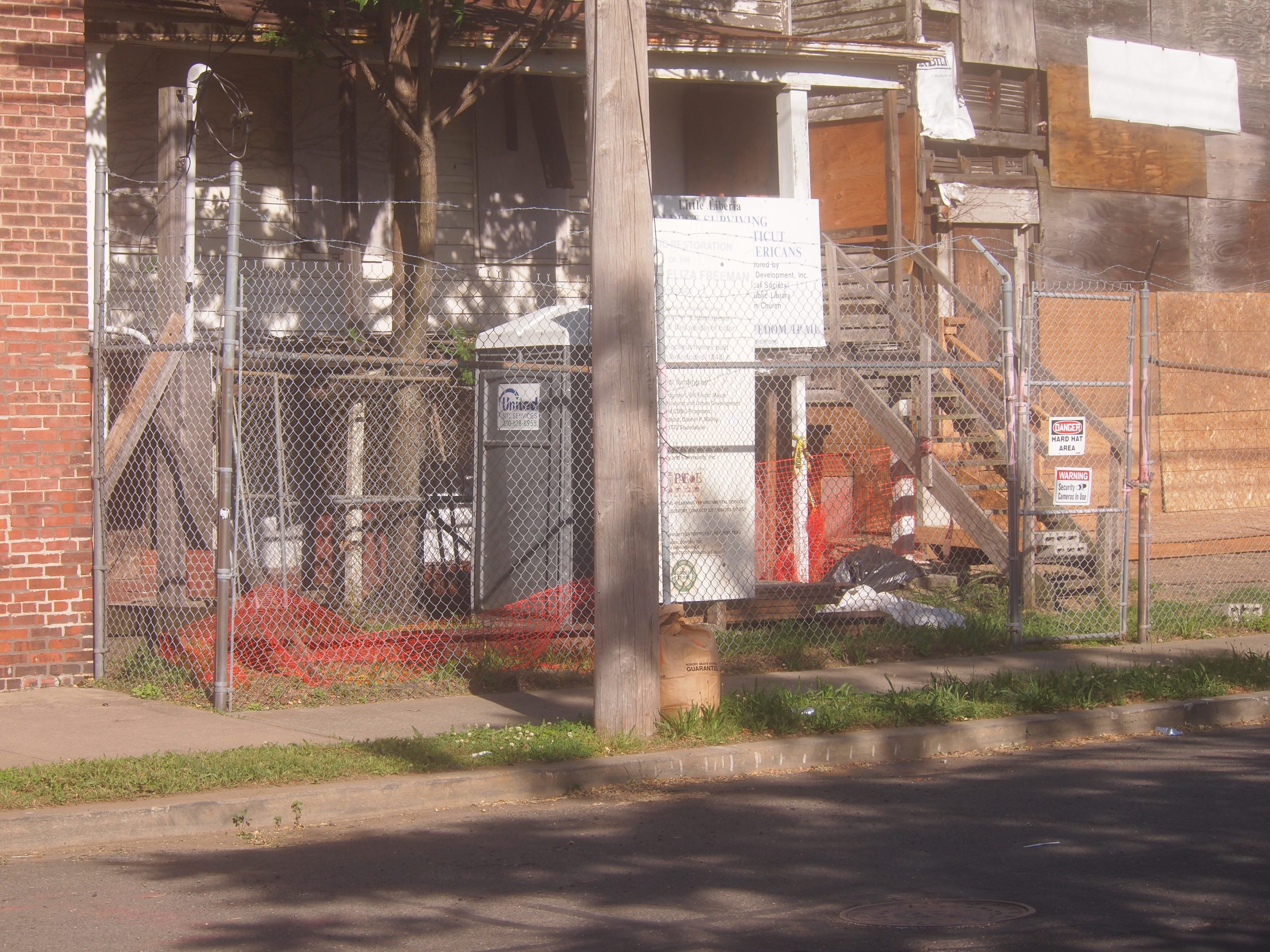
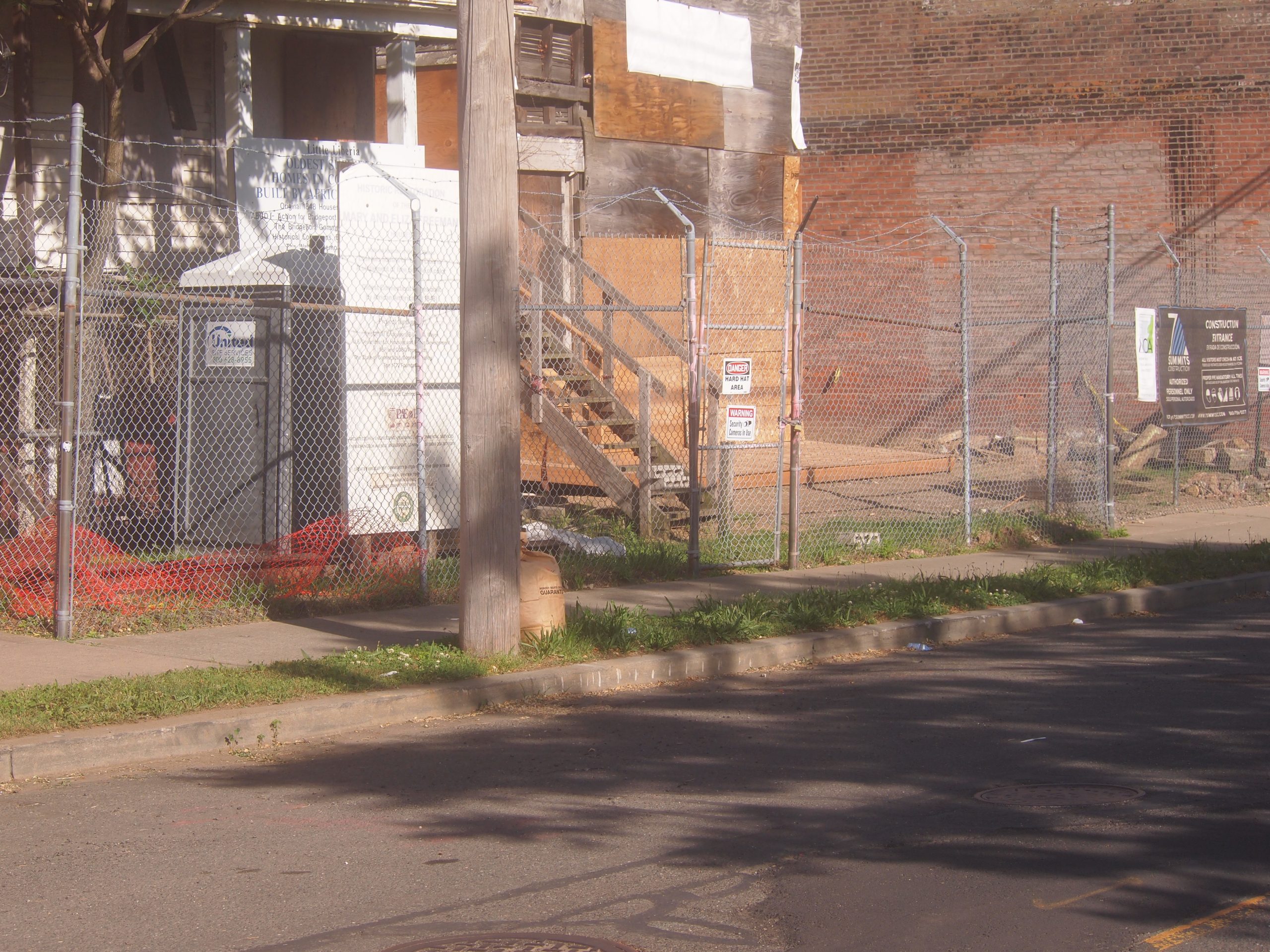
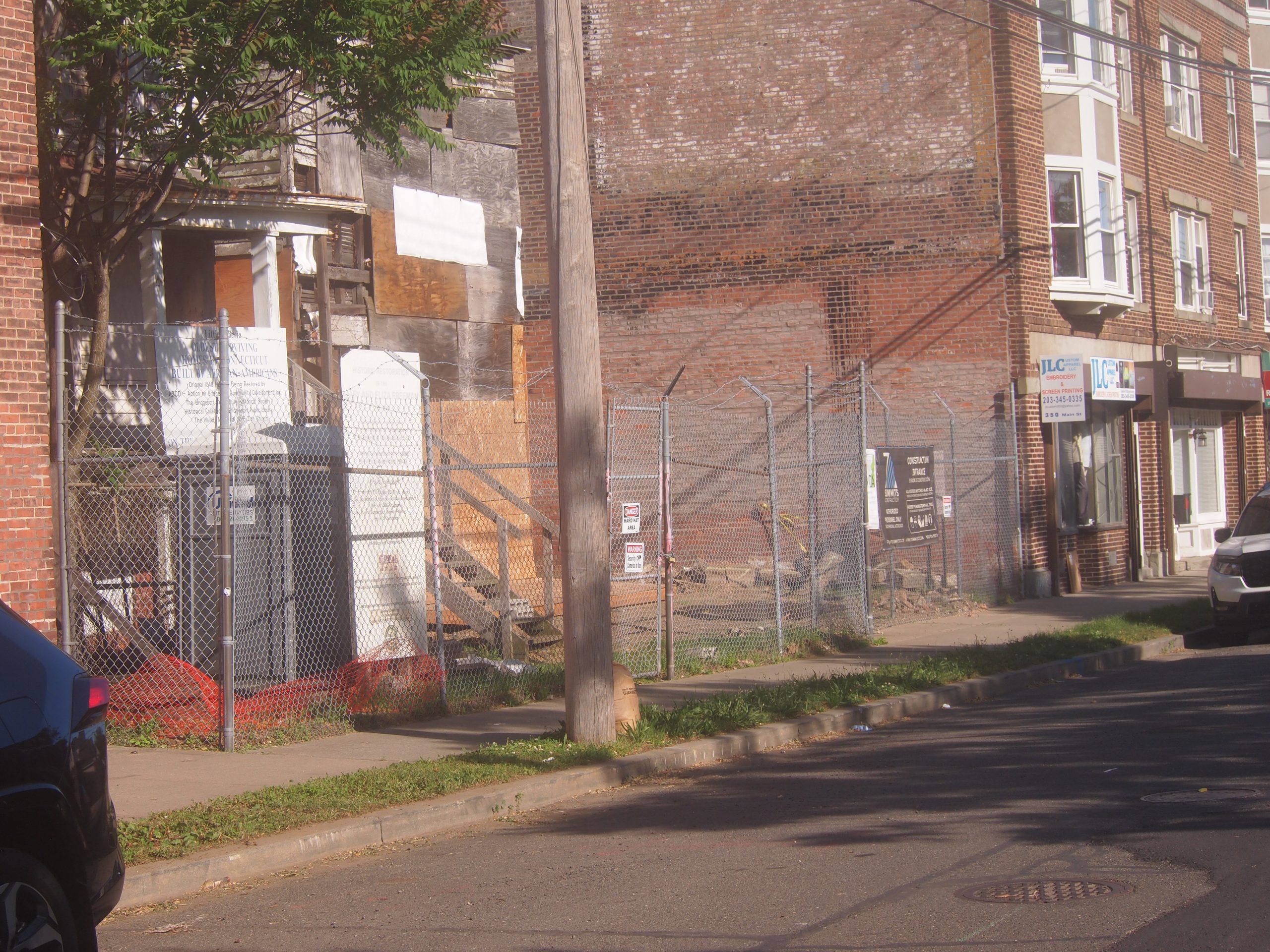
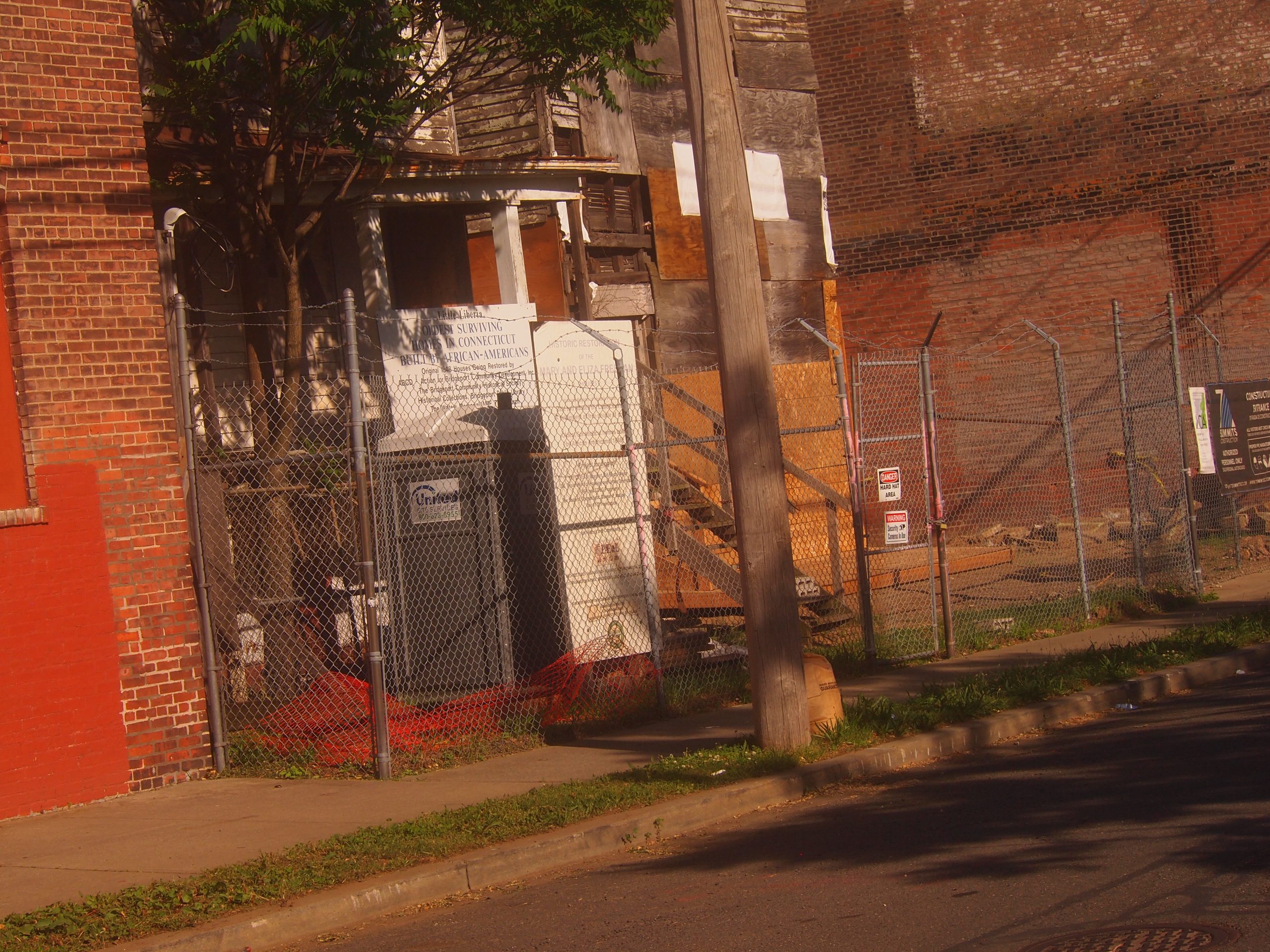
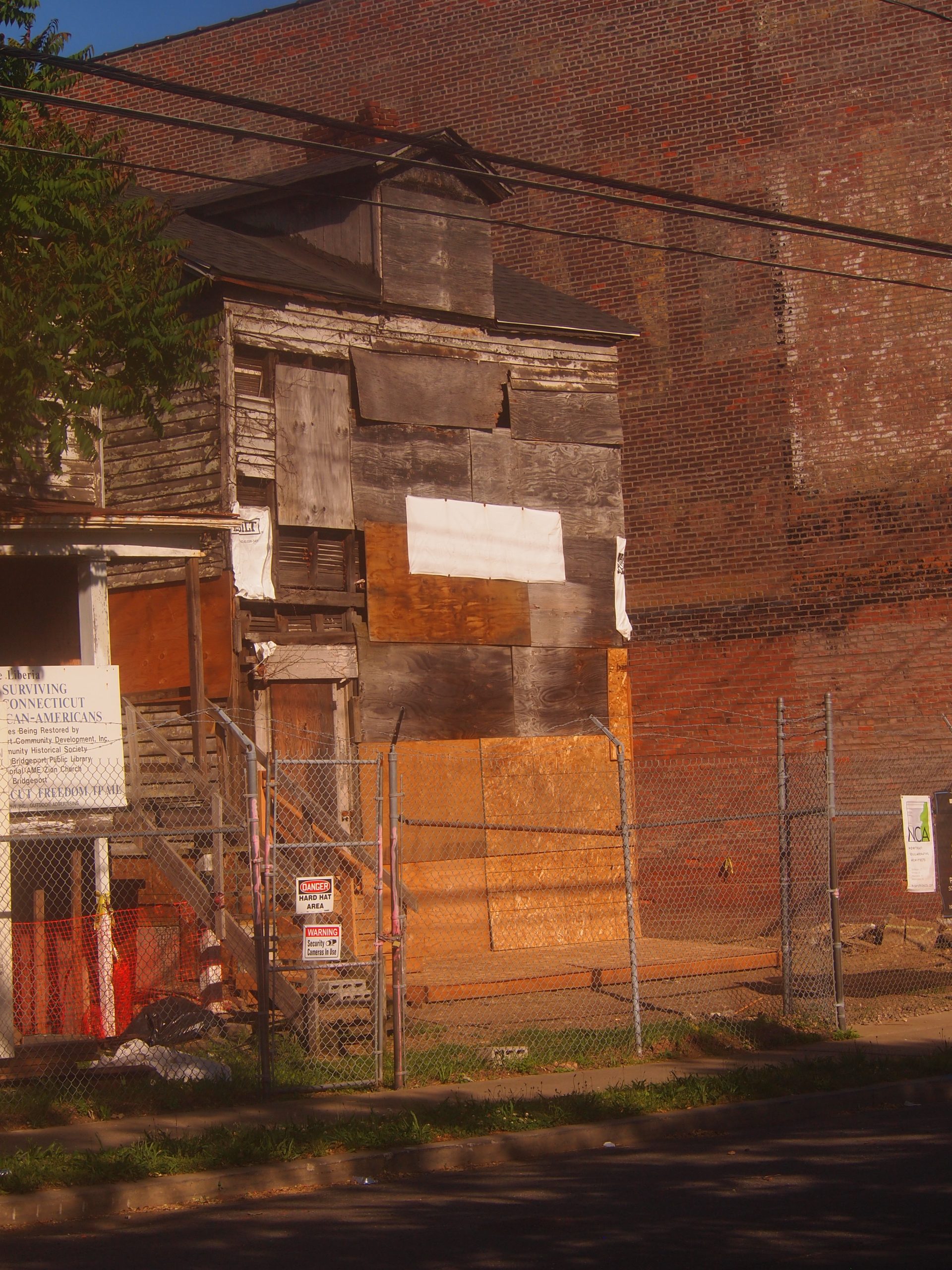
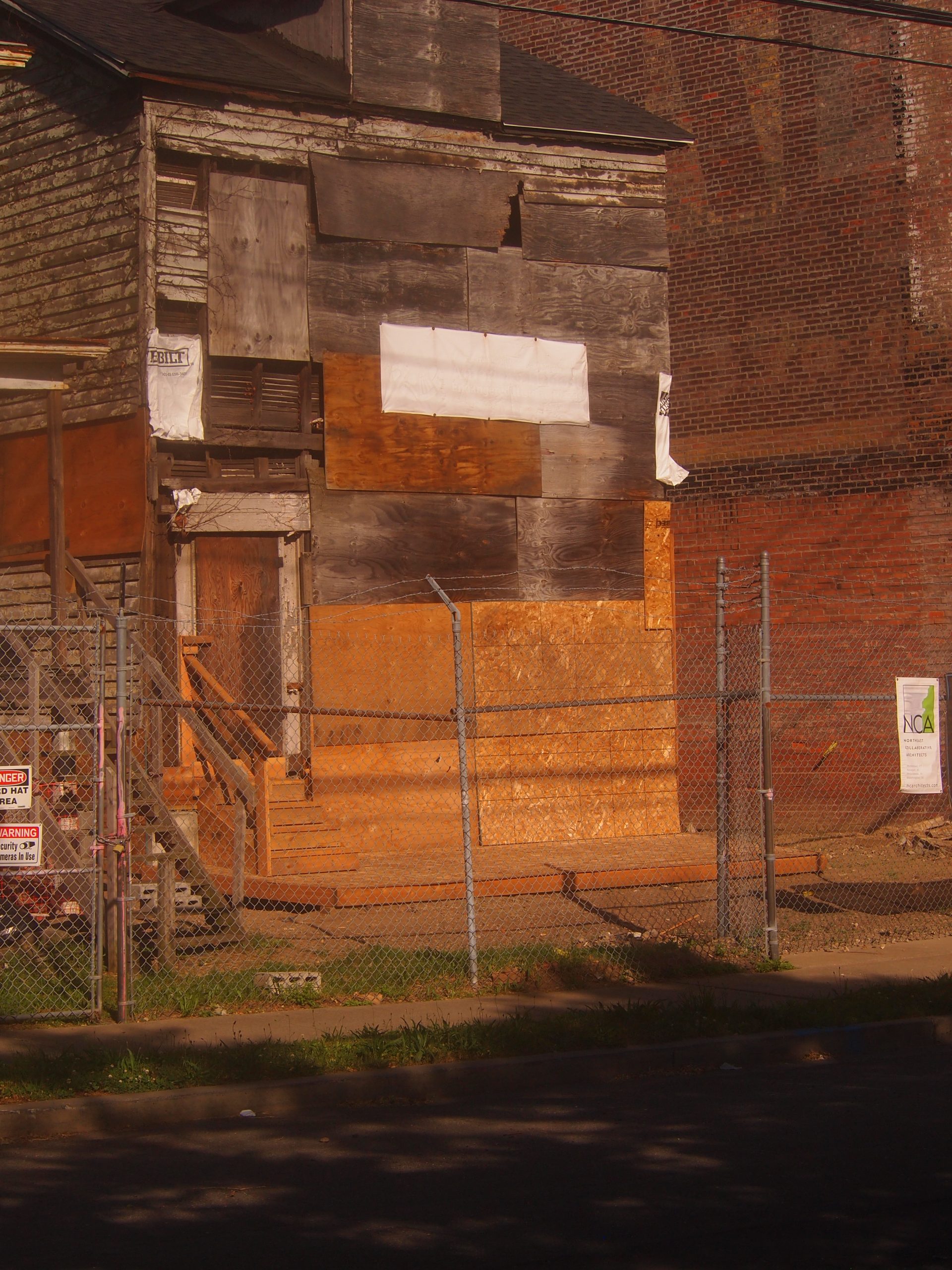
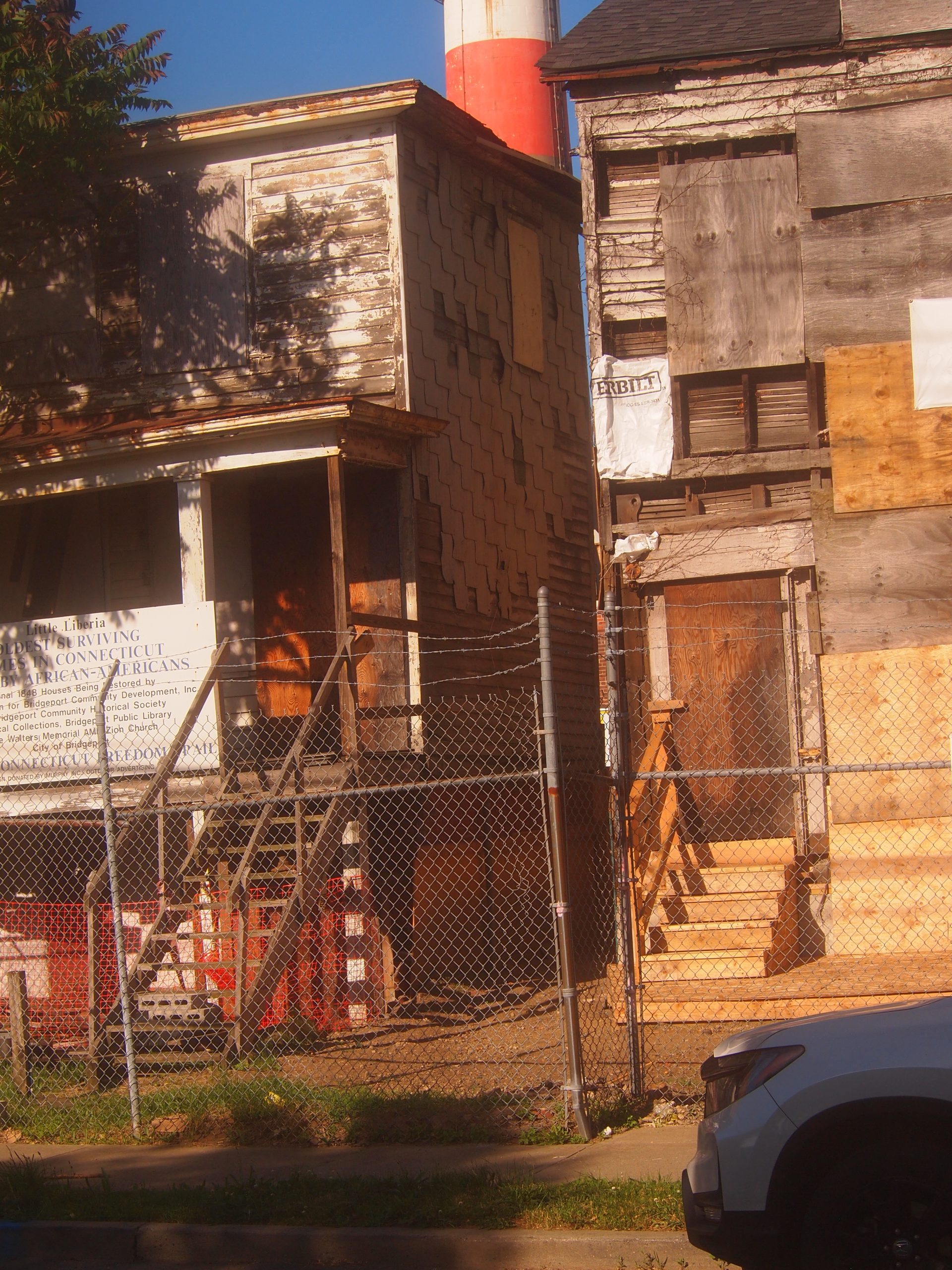
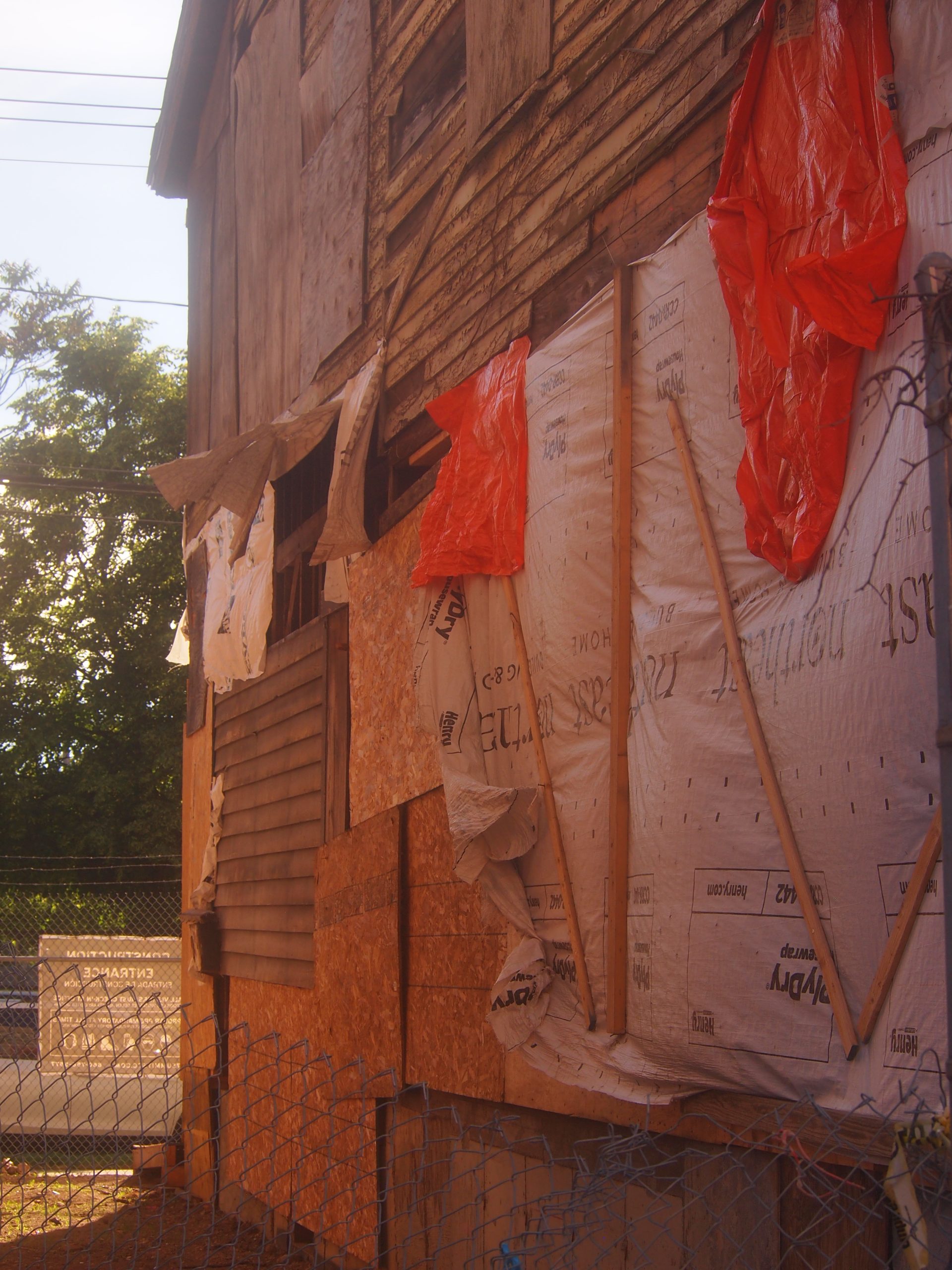
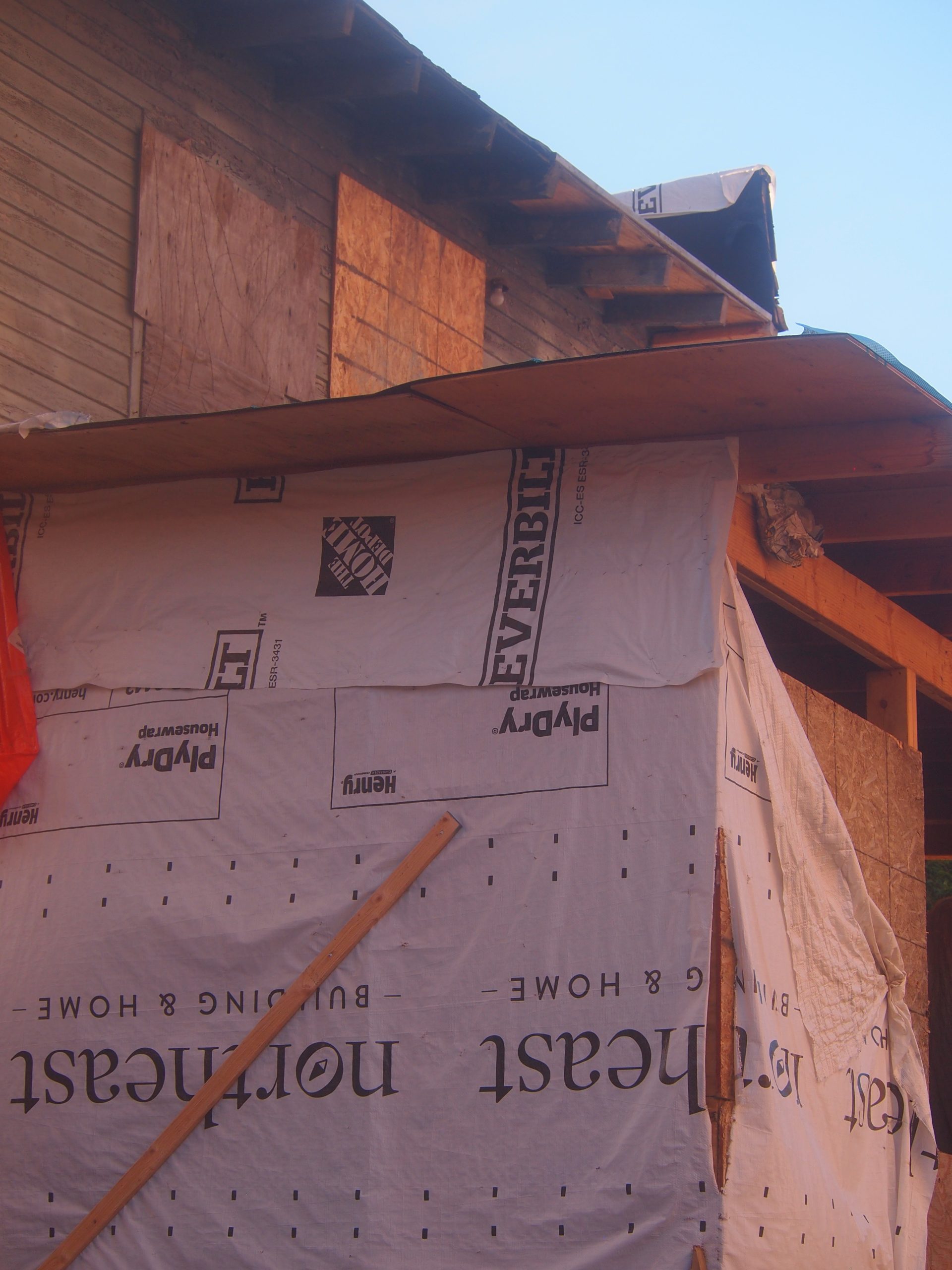
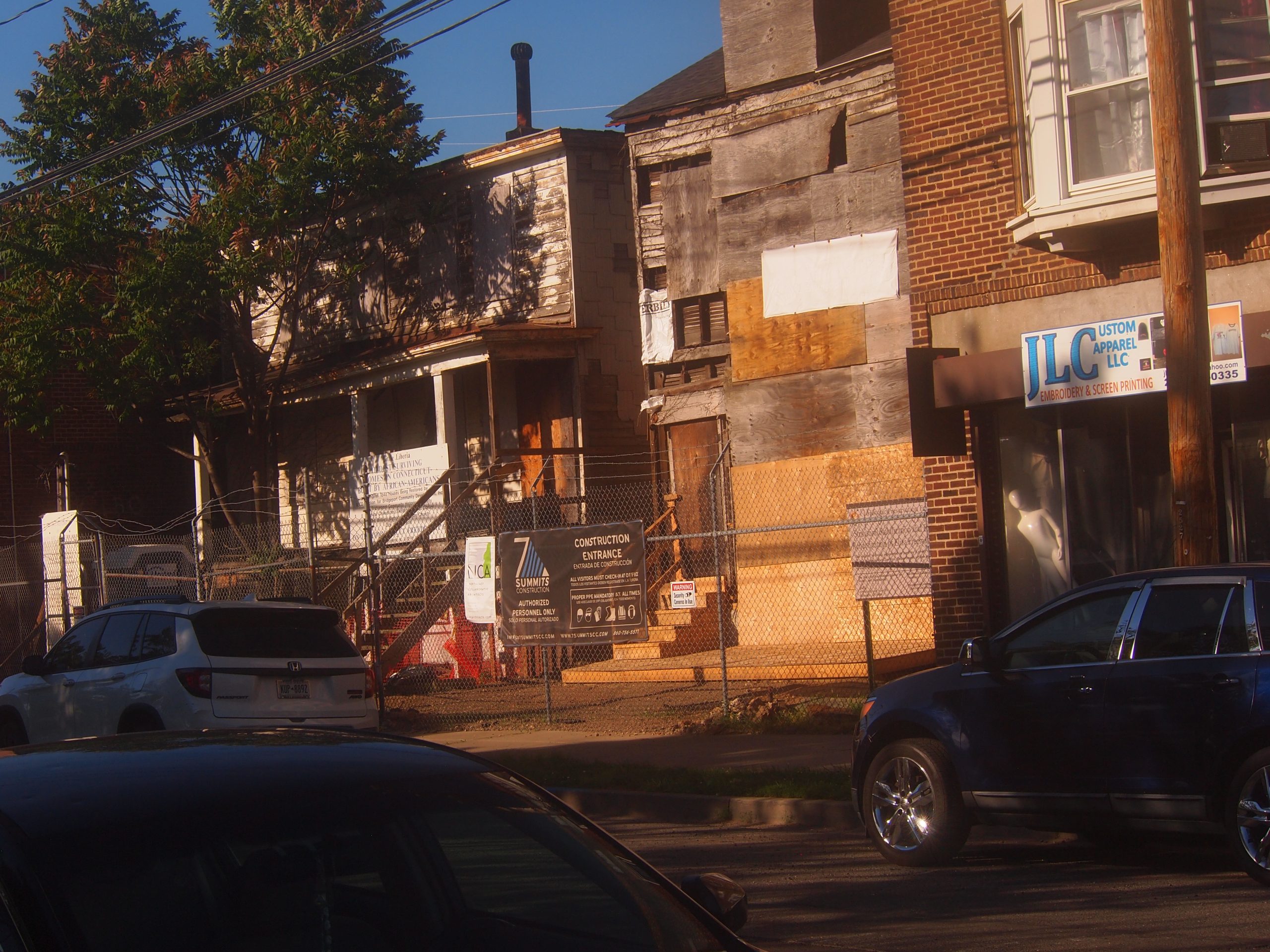
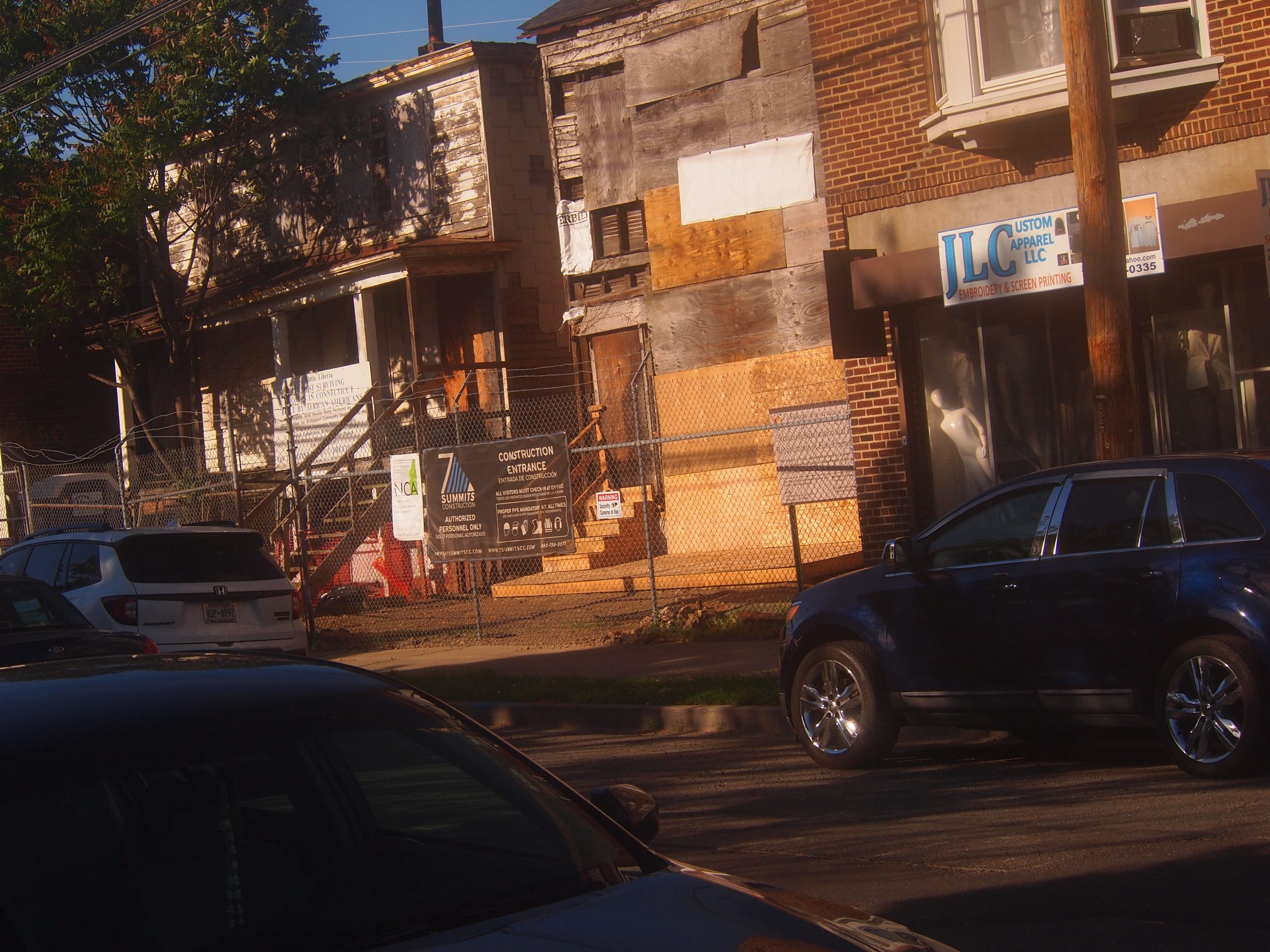
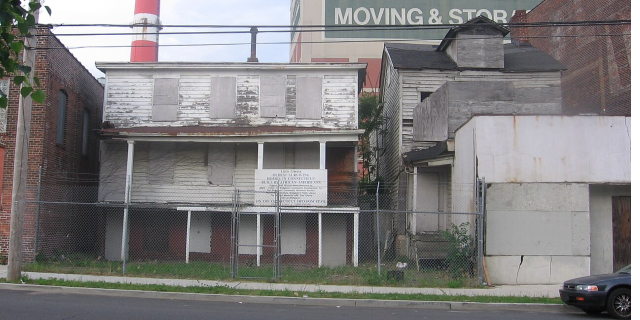
Built in 1948 nearly 180-years-ago, the mary and Eliza Freeman houses still stand in Bridgeport, Connecticut’s South End, on their original foundations (photo by David B. Adams).

Nestled in the quiet blocks of Bridgeport’s South End, surrounded today by modern buildings, traffic, industry, and the steady march of urban development, the Mary and Eliza Freeman Houses stand as witnesses. They are not simply old houses. They are sacred structures and monuments to Black independence, Black survival, Black property ownership, Black womanhood, Indigenous alliance, and the pursuit of freedom in a nation that was built while denying freedom to millions of colored people.

Little Liberia was not just a neighborhood. It was a refuge and a place where free Black people and Indigenous people built community, owned property, created institutions, raised families, and gave shape to a dream that America itself had denied them. In a country where Black life was hunted, sold, legislated against, and terrorized, this small seaside community in Bridgeport became a symbol of possibility for many who fled bondage from the American south.

When I looked out toward the waters of Long Island Sound, the moment became even more breathtaking. Those waters were not just scenic. They were a passageway and a part of the geography of escape. Historical accounts connect Little Liberia to the Underground Railroad, and oral traditions describe Indigenous watermen, including Shinnecock people from Long Island, helping freedom seekers cross the Sound by canoe under the cover of night. Imagine that. Imagine enslaved human beings fleeing bondage in the American South, moving through darkness, risking capture, torture, sale, or death, and then crossing those waters toward a community where Black people were free. That’s not just history. It’s holy ground.

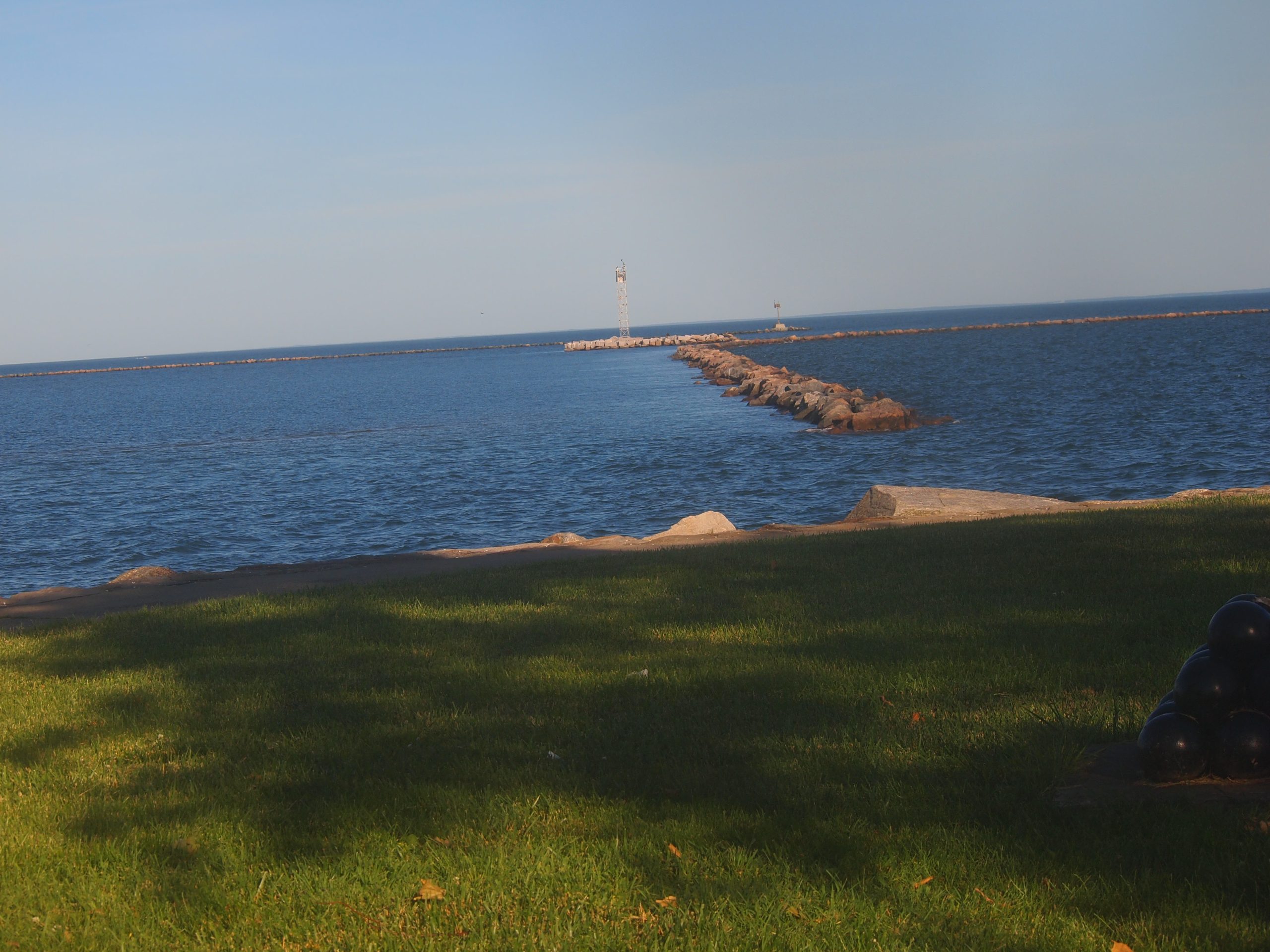
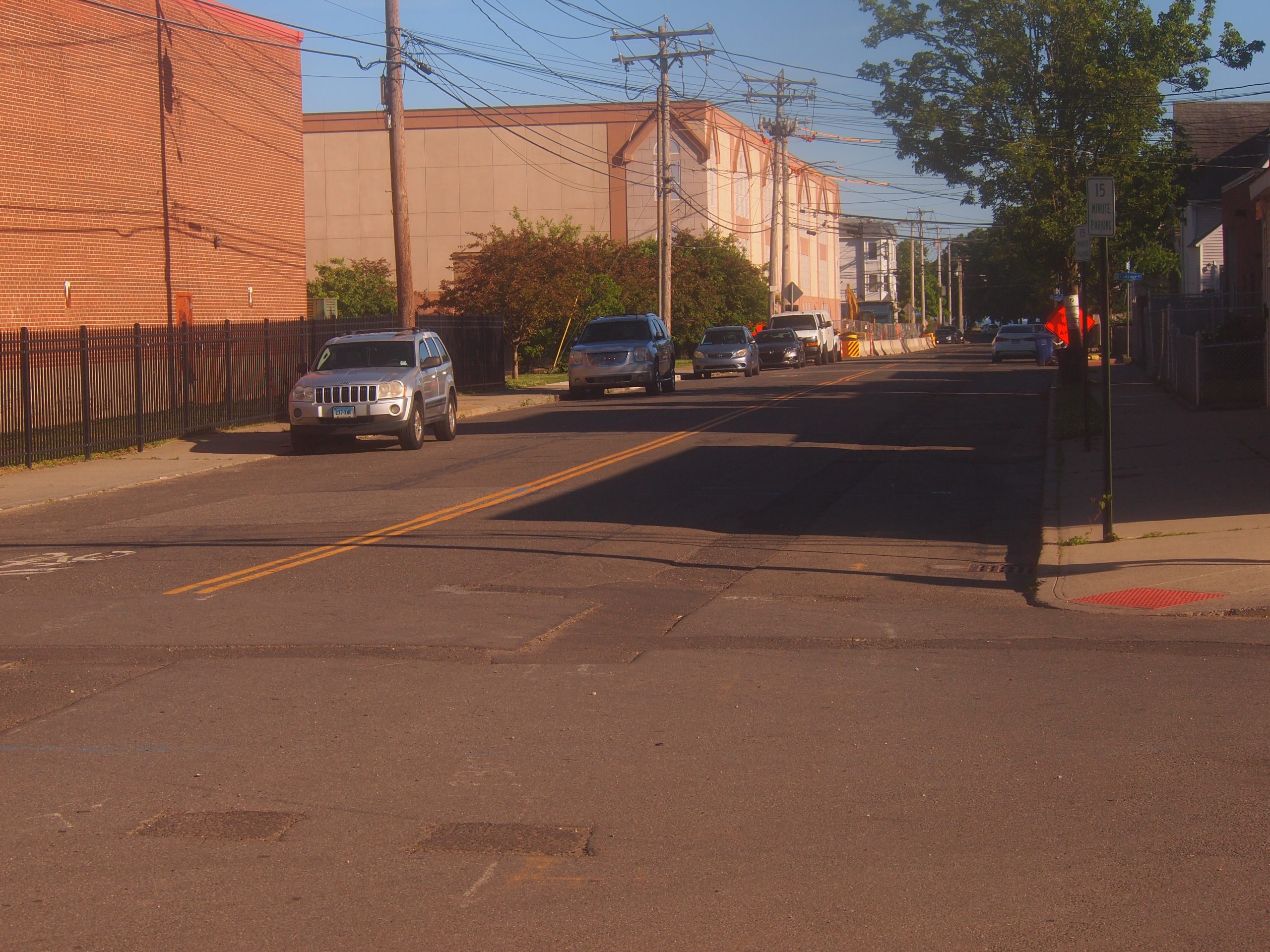
A view from the southern tip of Bridgeport’s Little Liberia across the Long Island Soind (photo by David B. Adams).

As I stood there, I could almost feel the fear, the courage, the prayers, and the trembling hope of those who may have arrived on those shores. I thought about what it must have meant to see land after such a journey, the first breath of freedom, the ancestors whose names we may never know, whose footsteps may never be marked, but whose souls passed through places like this in search of a new life beyond slavery and persecution.

Little Liberia, at its peak, was considered a depot of the Underground Railroad. But it was more than a stop on a secret route. It was evidence that Black people were not merely waiting for freedom to be handed to them. They were building freedom, purchasing land, creating homes, establishing schools, churches, businesses, and community networks. They were proving that the story of Black America was never simply a story of suffering. It was also a story of genius, resistance, faith, survival, and self-determination.

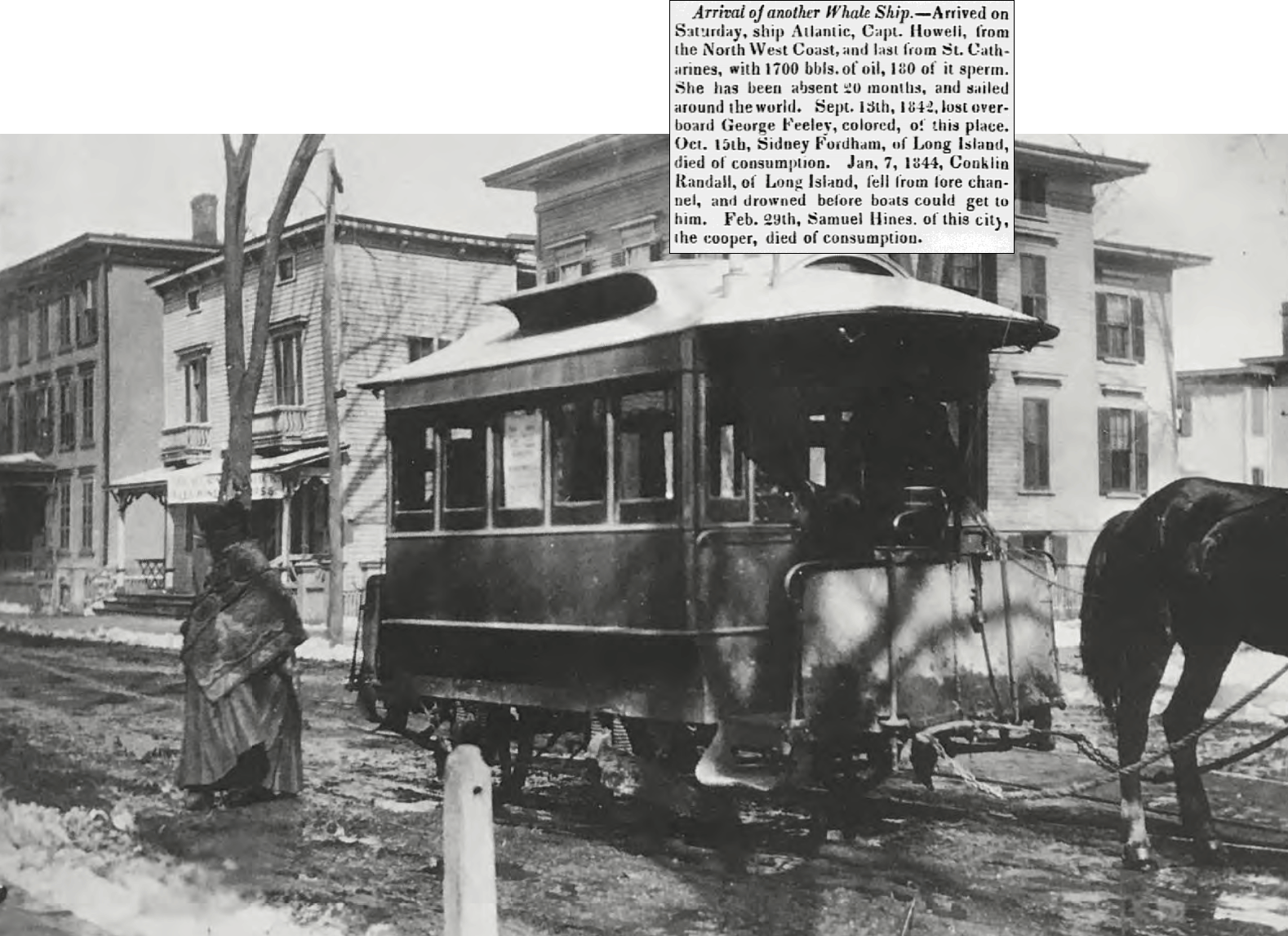
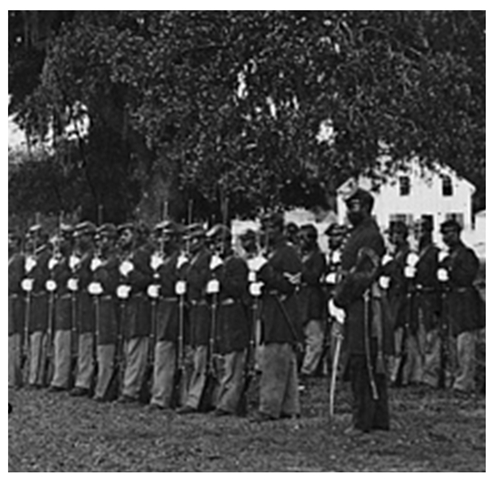
An image of Main Street in Bridgeport’s thriving years of Little Liberia.

The Mary and Eliza Freeman Houses matter very deeply. They were Black women property owners in the nineteenth century, a time when both race and gender were used as weapons to limit opportunity. Yet these sisters built, owned, and invested. They carved out a place for themselves in history, not by asking permission, but by standing in their own dignity. Their houses remain as rare surviving evidence of a Black community that understood land as power, home as resistance, and ownership as a declaration of humanity.

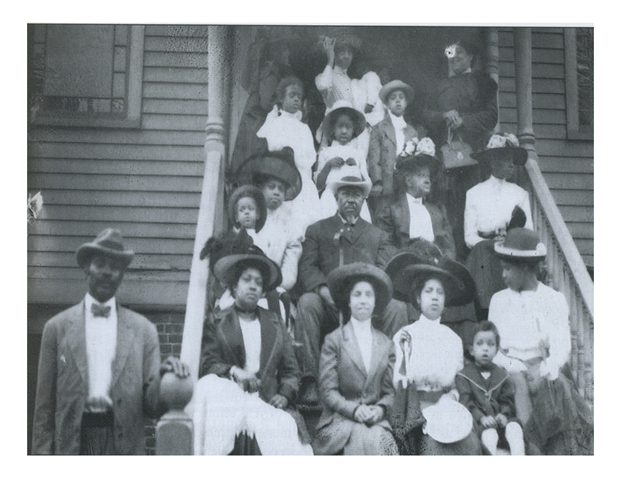
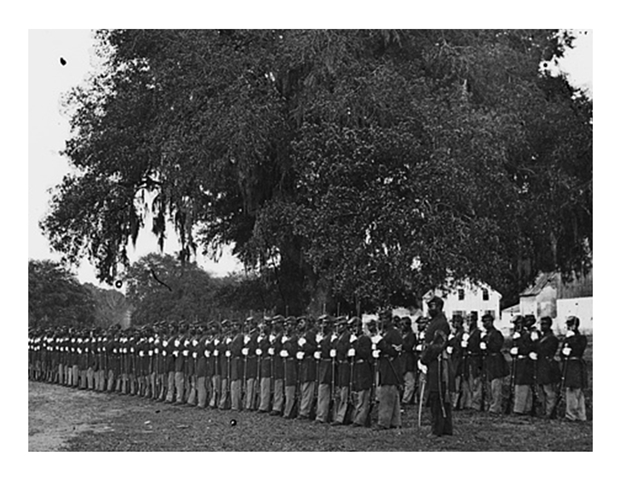
An 1890 image of the Zion Church congregatyion in Little Liberia Bridgeport, Connecticut (Connecticut history center).

There is something deeply moving about the fact that these two houses still stand (now undergoinf revitalization).

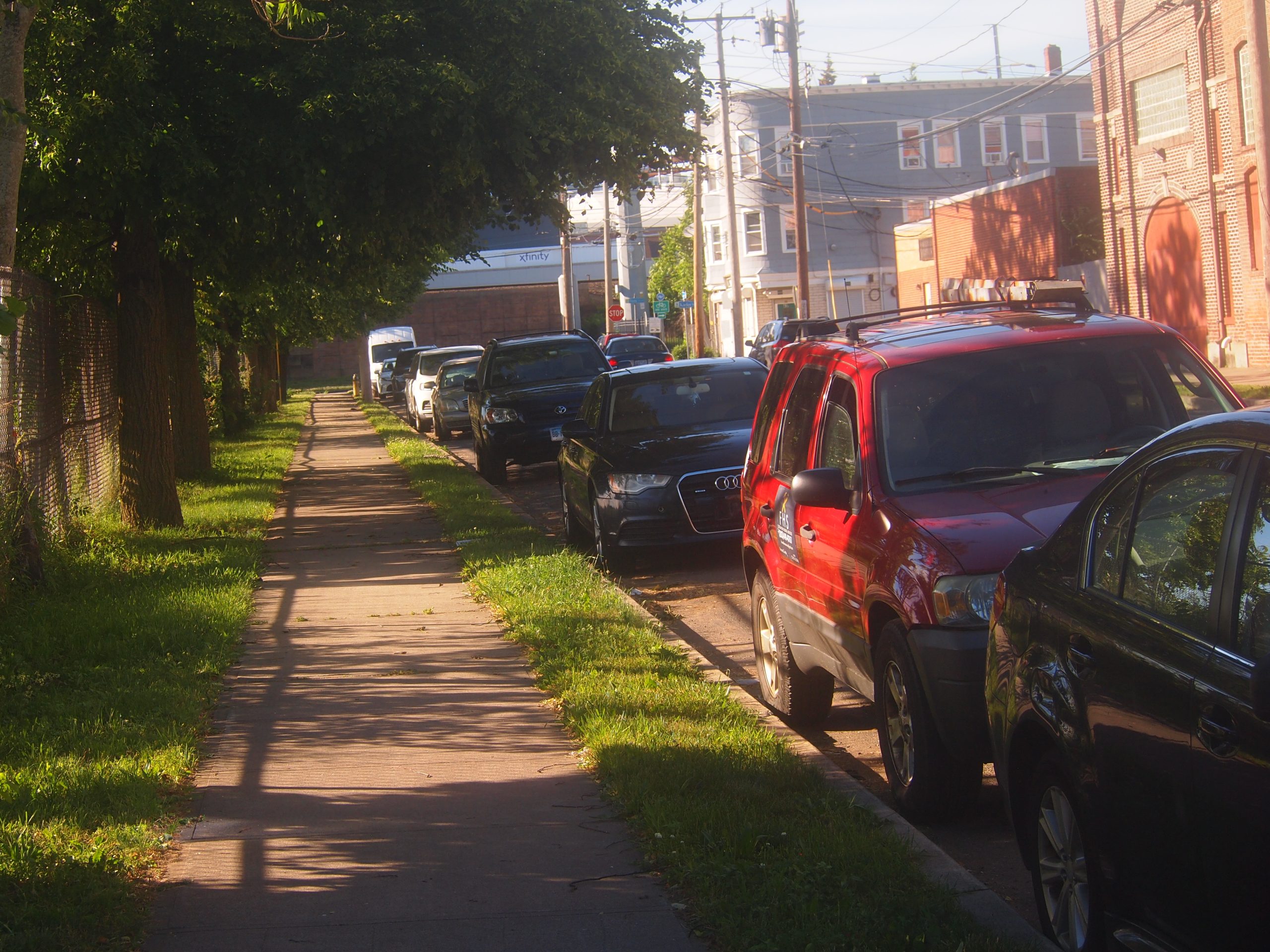
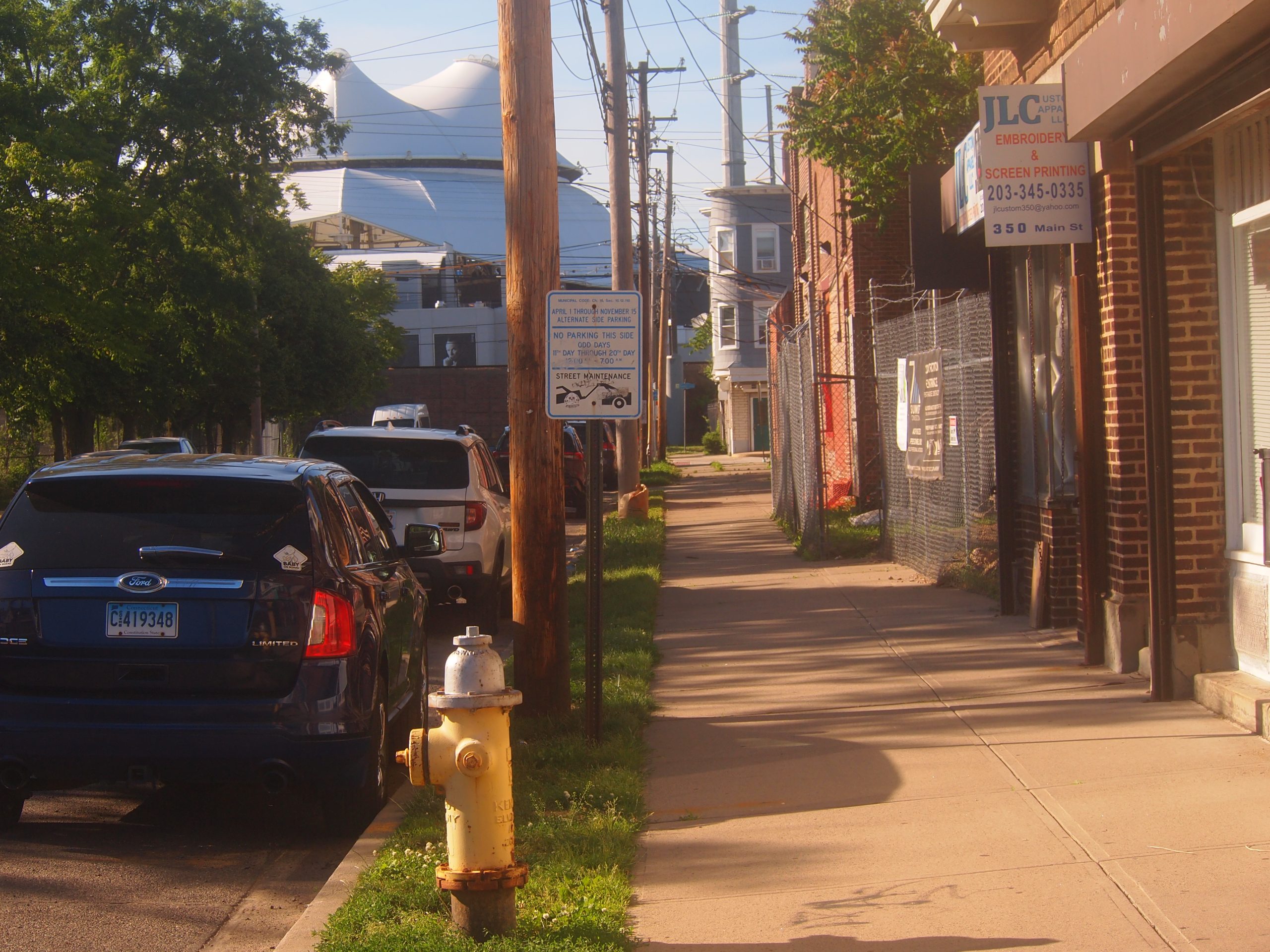
The above images depict the actual structures and the Little Liberia community today. They have survived neglect, development pressure, and a city that grew around them while too many people passed by without knowing what they were looking at. They have survived the same American habit that has erased so many Black historical landmarks, letting them decay, then pretending their loss was inevitable.

But their survival is not accidental. It’s a demand.

They demand that Bridgeport, Connecticut, Black and Indigenous people reclaim the stories that belong to us. We should demand that our children learn that freedom did not only live in speeches, court cases, plantations, or battlefields. Freedom also lived in small coastal communities like Little Liberia, in houses built by Black women, in canoes crossing dark water, in churches and schools, in families who dared to live free while slavery still ruled much of the nation.

Standing in front of these historucal structures, I felt the presence of something larger than myself. I felt the ancestors and their pain, but I also felt their pride. I also felt the weight of being a journalist who has spent years telling stories of the missing, the murdered, the forgotten, and the voiceless, and I realized that Little Liberia is part of that same work. At that moment I realized that forgotten history is another kind of missing person.

When a people’s story is buried, their descendants are robbed. When sacred places are ignored, future generations are denied the chance to touch the truth. When Black history is reduced to slavery alone, without showing the communities we built in defiance of it, America continues to tell an incomplete and dishonest story. Little Liberia is one of those stories America has not told loudly enough.

It should be known by every child in Bridgeport and across this nation, and should be taught in schools. It’s history that must be marked, protected, funded, restored, and honored as one of the most powerful freedom sites in New England. The Mary and Eliza Freeman Houses should not be treated as old buildings waiting for preservation. They should be treated as living witnesses to the birth of Black freedom in Connecticut and Southern New England.

Standing in front of those structures, I did not just see wood, windows, gates, and weathered walls. I saw the arrival, escape, and Black women who owned property when America did not even fully recognize Black humanity. I saw Indigenous people helping guide the oppressed toward freedom across waters that once also carried hope.

Little Liberia was a community that told the world, long before emancipation, that Black people were capable of building, owning, governing, protecting, and preserving themselves, and I am grateful to have the opportunity to witness this piece of black hiostory for myself. That’s the part that made the discovery spiritual. It felt personal like I had stumbled onto a piece of my own inheritance. Not because I know that my bloodline passed through Little Liberia, but because every Black person in America is connected to these sites of survival. Every Black person who has ever searched for their history knows the feeling of finding a place that confirms what your spirit already knew. We were here, we built, we resisted, we survived.

Sometimes, when you are searching with the right spirit, that evidence finds you. Little Liberia found me and now that I have seen it, felt it, and stood before it, I understand that my responsibility is not only to remember, but to tell the story. Afterall, history does reward research, but only when the researcher is willing to listen to the ancestors when they speak. At the edge of the Long Island Sound, in the shadow of two surviving houses, I heard them.

I’m Journalist and Blogger David B. Adams

The People’s Champion Blog.

David Adams

David Adams

David B. Adams grew up in the Highlandtown section of Baltimore's southeast district and is his parent's youngest child. He experienced pervasive poverty, which taught him humility and compassion for the plight of others. His exposure to violence and gritty urban life were some of his early lessons of life's many hardships. Adams credits the upheavals he endured during his conformity with helping to shape the foundation of his outlook and perspectives on society. With a steadfast commitment to giving voice to the voiceless, Adams is a journalist, crime writer, and blogger renowned for tireless investigative journalism and advocacy on behalf of vulnerable populations. As founder and administrator of The People's Champion, Adams sheds light on critical social issues, championing the rights of: - Homeless individuals - Victims of violent crime and their families - Wrongfully convicted individuals - Missing and exploited children; Additionally, he is a seasoned investigative reporter, Adams has earned recognition for relentless pursuit of truth and justice. With a strong national and global focus, on inspiring meaningful change and crucial conversations impacting all of humanity.

More Posts - Website

Follow Me:Add me on XAdd me on FacebookAdd me on LinkedIn

They say history rewards those who are willing to search for it, and as a journalist, a Black man, and a descendant of people whose history was too often stolen, buried, distorted, or deliberately erased, I have developed an endless thirst for knowledge about the story of my people. Black and Indigenous people in America. That thirst is not casual curiosity. It is spiritual, ancestral, and the kind of hunger that pulls you toward places you did not know were calling your name. That’s what happened when I stumbled upon the Mary and Eliza Freeman Houses in the South End of Bridgeport, Connecticut.

Standing before those gated, weathered structures, I felt something I could not immediately explain. It was almost like déjà vu, as if I had been there before, or as if something from beyond time had led me to that exact spot. The houses and block were quiet, but history was not quiet. The air seemed heavy with memory as the ground seemed to speak to me. Before me stood the last remaining physical remnants of Little Liberia, one of the most important and yet least talked about Black freedom communities in Connecticut history.

Built in 1948 nearly 180-years-ago, the mary and Eliza Freeman houses still stand in Bridgeport, Connecticut’s South End, on their original foundations (photo by David B. Adams).

Nestled in the quiet blocks of Bridgeport’s South End, surrounded today by modern buildings, traffic, industry, and the steady march of urban development, the Mary and Eliza Freeman Houses stand as witnesses. They are not simply old houses. They are sacred structures and monuments to Black independence, Black survival, Black property ownership, Black womanhood, Indigenous alliance, and the pursuit of freedom in a nation that was built while denying freedom to millions of colored people.

Little Liberia was not just a neighborhood. It was a refuge and a place where free Black people and Indigenous people built community, owned property, created institutions, raised families, and gave shape to a dream that America itself had denied them. In a country where Black life was hunted, sold, legislated against, and terrorized, this small seaside community in Bridgeport became a symbol of possibility for many who fled bondage from the American south.

When I looked out toward the waters of Long Island Sound, the moment became even more breathtaking. Those waters were not just scenic. They were a passageway and a part of the geography of escape. Historical accounts connect Little Liberia to the Underground Railroad, and oral traditions describe Indigenous watermen, including Shinnecock people from Long Island, helping freedom seekers cross the Sound by canoe under the cover of night. Imagine that. Imagine enslaved human beings fleeing bondage in the American South, moving through darkness, risking capture, torture, sale, or death, and then crossing those waters toward a community where Black people were free. That’s not just history. It’s holy ground.

A view from the southern tip of Bridgeport’s Little Liberia across the Long Island Soind (photo by David B. Adams).

As I stood there, I could almost feel the fear, the courage, the prayers, and the trembling hope of those who may have arrived on those shores. I thought about what it must have meant to see land after such a journey, the first breath of freedom, the ancestors whose names we may never know, whose footsteps may never be marked, but whose souls passed through places like this in search of a new life beyond slavery and persecution.

Little Liberia, at its peak, was considered a depot of the Underground Railroad. But it was more than a stop on a secret route. It was evidence that Black people were not merely waiting for freedom to be handed to them. They were building freedom, purchasing land, creating homes, establishing schools, churches, businesses, and community networks. They were proving that the story of Black America was never simply a story of suffering. It was also a story of genius, resistance, faith, survival, and self-determination.

An image of Main Street in Bridgeport’s thriving years of Little Liberia.

The Mary and Eliza Freeman Houses matter very deeply. They were Black women property owners in the nineteenth century, a time when both race and gender were used as weapons to limit opportunity. Yet these sisters built, owned, and invested. They carved out a place for themselves in history, not by asking permission, but by standing in their own dignity. Their houses remain as rare surviving evidence of a Black community that understood land as power, home as resistance, and ownership as a declaration of humanity.

An 1890 image of the Zion Church congregatyion in Little Liberia Bridgeport, Connecticut (Connecticut history center).

There is something deeply moving about the fact that these two houses still stand (now undergoinf revitalization).

The above images depict the actual structures and the Little Liberia community today. They have survived neglect, development pressure, and a city that grew around them while too many people passed by without knowing what they were looking at. They have survived the same American habit that has erased so many Black historical landmarks, letting them decay, then pretending their loss was inevitable.

But their survival is not accidental. It’s a demand.

They demand that Bridgeport, Connecticut, Black and Indigenous people reclaim the stories that belong to us. We should demand that our children learn that freedom did not only live in speeches, court cases, plantations, or battlefields. Freedom also lived in small coastal communities like Little Liberia, in houses built by Black women, in canoes crossing dark water, in churches and schools, in families who dared to live free while slavery still ruled much of the nation.

Standing in front of these historucal structures, I felt the presence of something larger than myself. I felt the ancestors and their pain, but I also felt their pride. I also felt the weight of being a journalist who has spent years telling stories of the missing, the murdered, the forgotten, and the voiceless, and I realized that Little Liberia is part of that same work. At that moment I realized that forgotten history is another kind of missing person.

When a people’s story is buried, their descendants are robbed. When sacred places are ignored, future generations are denied the chance to touch the truth. When Black history is reduced to slavery alone, without showing the communities we built in defiance of it, America continues to tell an incomplete and dishonest story. Little Liberia is one of those stories America has not told loudly enough.

It should be known by every child in Bridgeport and across this nation, and should be taught in schools. It’s history that must be marked, protected, funded, restored, and honored as one of the most powerful freedom sites in New England. The Mary and Eliza Freeman Houses should not be treated as old buildings waiting for preservation. They should be treated as living witnesses to the birth of Black freedom in Connecticut and Southern New England.

Standing in front of those structures, I did not just see wood, windows, gates, and weathered walls. I saw the arrival, escape, and Black women who owned property when America did not even fully recognize Black humanity. I saw Indigenous people helping guide the oppressed toward freedom across waters that once also carried hope.

Little Liberia was a community that told the world, long before emancipation, that Black people were capable of building, owning, governing, protecting, and preserving themselves, and I am grateful to have the opportunity to witness this piece of black hiostory for myself. That’s the part that made the discovery spiritual. It felt personal like I had stumbled onto a piece of my own inheritance. Not because I know that my bloodline passed through Little Liberia, but because every Black person in America is connected to these sites of survival. Every Black person who has ever searched for their history knows the feeling of finding a place that confirms what your spirit already knew. We were here, we built, we resisted, we survived.

Sometimes, when you are searching with the right spirit, that evidence finds you. Little Liberia found me and now that I have seen it, felt it, and stood before it, I understand that my responsibility is not only to remember, but to tell the story. Afterall, history does reward research, but only when the researcher is willing to listen to the ancestors when they speak. At the edge of the Long Island Sound, in the shadow of two surviving houses, I heard them.

I’m Journalist and Blogger David B. Adams

The People’s Champion Blog.

David Adams

David Adams

David B. Adams grew up in the Highlandtown section of Baltimore's southeast district and is his parent's youngest child. He experienced pervasive poverty, which taught him humility and compassion for the plight of others. His exposure to violence and gritty urban life were some of his early lessons of life's many hardships. Adams credits the upheavals he endured during his conformity with helping to shape the foundation of his outlook and perspectives on society. With a steadfast commitment to giving voice to the voiceless, Adams is a journalist, crime writer, and blogger renowned for tireless investigative journalism and advocacy on behalf of vulnerable populations. As founder and administrator of The People's Champion, Adams sheds light on critical social issues, championing the rights of: - Homeless individuals - Victims of violent crime and their families - Wrongfully convicted individuals - Missing and exploited children; Additionally, he is a seasoned investigative reporter, Adams has earned recognition for relentless pursuit of truth and justice. With a strong national and global focus, on inspiring meaningful change and crucial conversations impacting all of humanity.

More Posts - Website

Follow Me:Add me on XAdd me on FacebookAdd me on LinkedIn

You can leave a response, or trackback from your own site.

Leave a Reply

- See more at: http://thepeopleschampion.me/wp-admin/options-general.php?page=side-tab#sthash.HEuco14y.dpuf