Baltimore City Justice on Trial: When the Courthouse Feeds the Culture of Violence
Posted by David Adams on July 25th, 2026
A court can issue a gag order. A judge can seal documents. Prosecutors and defense attorneys can stand before the bench, place their hands on a Bible, and swear that they understand the seriousness of protecting a cooperating witness. But in Baltimore City, somehow, the streets can still get the paperwork.
According to recent reporting in local media, sealed court documents identified a Baltimore rapper (whose name we won’t mention in this article) as a cooperating witness in a sprawling murder-for-hire conspiracy case were leaked online. The documents reportedly spread across social media, where the young rapper was immediately ridiculed, branded a “snitch” and treated as though cooperating in a murder investigation were somehow a greater offense than murder itself. A judge has since demanded answers from the attorneys involved and is investigating how protected information escaped the courthouse.
That leak was not harmless gossip. It may have placed a witness in danger, compromised an active prosecution, frightened other potential witnesses into silence, and mostost importantly, it sent a familiar and poisonous message throughout Baltimore. The justice system may ask residents to come forward, but it cannot always be trusted to protect them when they do. That’s why in Baltimore City, justice itself must now stand trial.
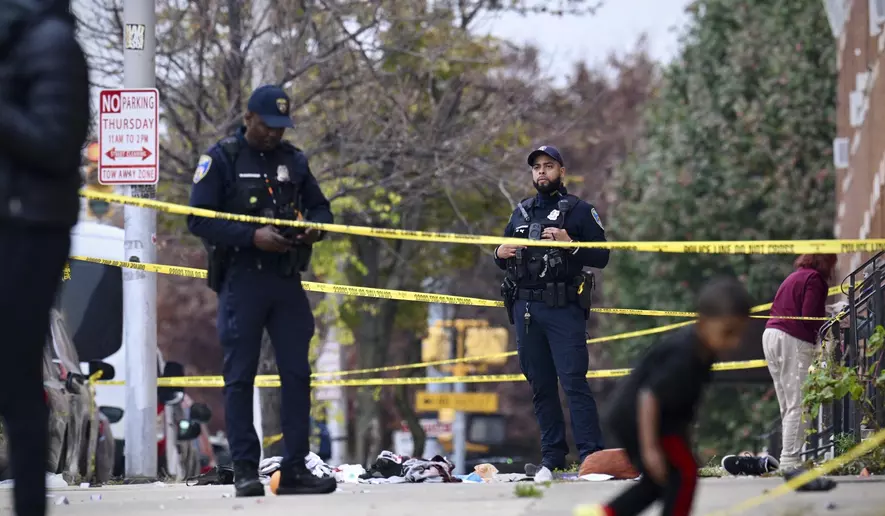
Baltimore Police investigating a shooting at a city crime scene (photo by Washington Post).
The public does not yet know who released the documents. It could have been someone connected to the prosecution, the defense, law enforcement, a court office or another person like a court employee who obtained access. Until evidence establishes responsibility, no individual should be publicly convicted by speculation. But a few things are for certain. Somebody had access. Somebody disregarded the court’s restrictions. Somebody apparently decided that confidential information involving a cooperating witness belonged on Instagram.
Maryland’s criminal discovery rules give judges authority to restrict disclosures when justice requires it. Maryland Rule 4-263 specifically permits a court, for good cause, to deny or restrict the disclosure of discovery material, including where disclosure could create a substantial risk of harm. A protective order is not a suggestion, and not decorative language placed in a file to make the court appear cautious. These orders exist because criminal cases involve real people, real retaliation and real consequences.
When protected cooperation material leaks from within the orbit of the court, the damage travels far beyond one defendant, one rapper or one prosecution. It reinforces the belief that Baltimore’s institutions are structurally incapable of protecting those who assist them. Then officials wonder why witnesses refuse to testify. They wonder why grieving mothers say they saw nothing, or why residents will talk privately but become silent when detectives arrive. Then the citizens cry out to politicians, wondering why murders go unsolved while memorial balloons rise over the same neighborhoods year after year.
People are not always silent because they support criminals. Some remain silent because they have watched government institutions expose, mishandle or abandon the very people who tried to help. Baltimore cannot publicly beg residents to cooperate and then allow cooperation documents to circulate like neighborhood advertisement flyers.
Murder Is Not Culture
The reaction on social media revealed another diseas. One that cannot be blamed entirely on judges, prosecutors or defense attorneys. Far too many people mocked the rapper not for participating in alleged criminal activity, but for helping authorities investigate it. Think about how morally inverted that is. A person accused of assisting a murder investigation is treated as dishonorable, while those accused of arranging killings are treated as warriors, legends or men who lived by some imaginary street code.
There is nothing honorable about protecting someone who terrorizes Black communities. What’s authentic about shielding a killer?There is nothing beneficial or culturally Black about helping criminals murder other Black people without consequences. Cooperation with authorities is not always clean, heroic or selfless. Some people cooperate because they are facing charges, or cooperate to reduce their own punishment. Some tell the truth only after their own freedom is threatened. That does not mean the information should be dismissed.
Courts exist to test evidence, examine motives, expose inconsistencies and determine credibility. That is what trials are for. A witness’s background may affect how jurors evaluate testimony, but it does not give social media permission to threaten, intimidate or endanger that witness.
The so-called anti-snitching code has buried too many Black children. It has protected men who shoot into crowds, exploit girls, traffic drugs, intimidate families and leave communities traumatized. It has convinced generations that silence is loyalty, even when that silence guarantees that another family will eventually stand beside another casket.
Silence does not make the community stronger. Silence makes predators comfortable. It destroys communities and cause the collaspe of culture, economy, urban renewaal, revitalization, and causes families to flee neighborhoods that were once vibrant. People avoid the devasting horrors of family grief, violence, and the perpetual degenerative culture of depravity permeating communities like Baltimore City.
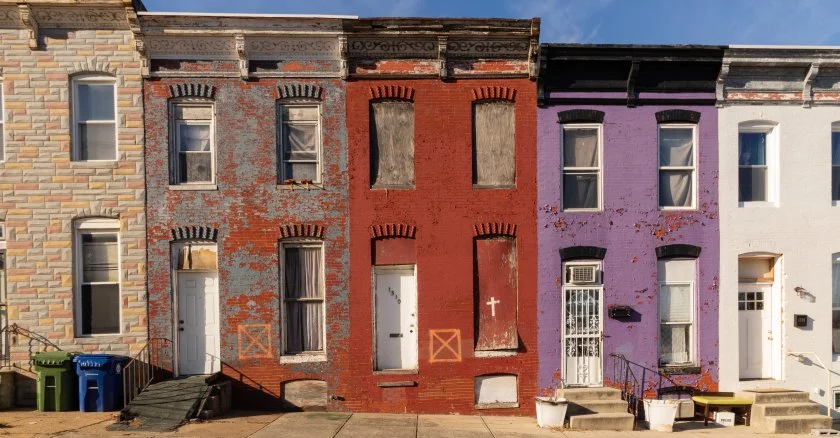
Many Baltimore communities are now relics of once were vibrant and proud neighborhoods, but have given way to urban violence and crime.
The Courthouse Cannot Become an Accomplice
Baltimore’s justice system has often complained about a “culture of violence.” But the government must examine the ways its own failures help sustain that culture.
When evidence disappears, trust disappears. When confidential documents leak, trust disappears. When witnesses are exposed, trust disappears.More importantly, when officials blame frightened communities without acknowledging institutional failures, trust and the government’s ability to protect public safety disappears.
The leak of a cooperating witness’s identity is not simply an internal personnel issue. It’s a public-safety crisis. The investigation must determine who accessed the material, who transmitted it, whether electronic records can trace the disclosure and whether anyone violated a court order, professional rule or criminal law. The inquiry should not end with a courtroom lecture and a few stern words.
If an attorney was responsible, disciplinary authorities should be notified. If a court employee was responsible, termination should be considered.If a law-enforcement officer or prosecutor’s agent was responsible, the disclosure should be investigated independently. Overall, if someone knowingly violated a sealing or protective order, contempt proceedings and any other legally available sanctions should be placed on the table. Including criminal charges, to to establish zero tolerance for this type of fragrant disregard for the order of criminal justice.
Accountability cannot depend on the leaker’s title, relationships or institutional connections. The Baltimore legal community cannot preach law and order to poor neighborhoods while protecting disorder inside it’s own courthouse. How can the city rely on the justice system when those responsible for seeking justice can’t be trusted?
Baltimore has produced extraordinary artists, scholars, organizers, athletes and working families. It has also endured generations of segregation, government abandonment, corruption, poverty and violence. But historical injustice cannot become an excuse for present-day self-destruction.
Baltimore Justice Is Now the Defendant
This case is larger than a local Baltimore rapper. It is about whether Baltimore’s justice system can be trusted with sensitive information. It is about whether court orders carry actual force, or about whether government officials will investigate themselves with the same energy they use to investigate citizens. Without these distinctions Baltimore will continue confusing criminal loyalty with cultural pride.
The judge was right to demand answers. But admonishment alone is not accountability. Someone apparently carried protected information from the courthouse into the digital streets. Whoever did it may have endangered a witness, damaged a prosecution and strengthened the very culture of fear that public officials claim they are trying to defeat.
Find the source, release the findings, and impose the stiffest consequences. Because until Baltimore proves that its courts can protect people who cooperate, every appeal for community assistance by law enforcement will ring hollow like the volume of abandoned structures throughout a decaying city.
The streets are constantly being told that Baltimore must change. But when dirty cops feed a culture that promotes a “no snitching” code amongst their own ranks, city leader’s call for change is only echoing off the city’s wall of culture criminality. However, this time at the very apex of Baltimore City’s justice system, the courthouse must prove that it can change too.
David B. Adams grew up in the Highlandtown section of Baltimore's southeast district and is his parent's youngest child. He experienced pervasive poverty, which taught him humility and compassion for the plight of others. His exposure to violence and gritty urban life were some of his early lessons of life's many hardships. Adams credits the upheavals he endured during his conformity with helping to shape the foundation of his outlook and perspectives on society.
With a steadfast commitment to giving voice to the voiceless, Adams is a journalist, crime writer, and blogger renowned for tireless investigative journalism and advocacy on behalf of vulnerable populations. As founder and administrator of The People's Champion, Adams sheds light on critical social issues, championing the rights of:
- Homeless individuals
- Victims of violent crime and their families
- Wrongfully convicted individuals
- Missing and exploited children; Additionally, he is
a seasoned investigative reporter, Adams has earned recognition for relentless pursuit of truth and justice. With a strong national and global focus, on inspiring meaningful change and crucial conversations impacting all of humanity.
A court can issue a gag order. A judge can seal documents. Prosecutors and defense attorneys can stand before the bench, place their hands on a Bible, and swear that they understand the seriousness of protecting a cooperating witness. But in Baltimore City, somehow, the streets can still get the paperwork.
According to recent reporting in local media, sealed court documents identified a Baltimore rapper (whose name we won’t mention in this article) as a cooperating witness in a sprawling murder-for-hire conspiracy case were leaked online. The documents reportedly spread across social media, where the young rapper was immediately ridiculed, branded a “snitch” and treated as though cooperating in a murder investigation were somehow a greater offense than murder itself. A judge has since demanded answers from the attorneys involved and is investigating how protected information escaped the courthouse.
That leak was not harmless gossip. It may have placed a witness in danger, compromised an active prosecution, frightened other potential witnesses into silence, and mostost importantly, it sent a familiar and poisonous message throughout Baltimore. The justice system may ask residents to come forward, but it cannot always be trusted to protect them when they do. That’s why in Baltimore City, justice itself must now stand trial.
Baltimore Police investigating a shooting at a city crime scene (photo by Washington Post).
The public does not yet know who released the documents. It could have been someone connected to the prosecution, the defense, law enforcement, a court office or another person like a court employee who obtained access. Until evidence establishes responsibility, no individual should be publicly convicted by speculation. But a few things are for certain. Somebody had access. Somebody disregarded the court’s restrictions. Somebody apparently decided that confidential information involving a cooperating witness belonged on Instagram.
Maryland’s criminal discovery rules give judges authority to restrict disclosures when justice requires it. Maryland Rule 4-263 specifically permits a court, for good cause, to deny or restrict the disclosure of discovery material, including where disclosure could create a substantial risk of harm. A protective order is not a suggestion, and not decorative language placed in a file to make the court appear cautious. These orders exist because criminal cases involve real people, real retaliation and real consequences.
When protected cooperation material leaks from within the orbit of the court, the damage travels far beyond one defendant, one rapper or one prosecution. It reinforces the belief that Baltimore’s institutions are structurally incapable of protecting those who assist them. Then officials wonder why witnesses refuse to testify. They wonder why grieving mothers say they saw nothing, or why residents will talk privately but become silent when detectives arrive. Then the citizens cry out to politicians, wondering why murders go unsolved while memorial balloons rise over the same neighborhoods year after year.
People are not always silent because they support criminals. Some remain silent because they have watched government institutions expose, mishandle or abandon the very people who tried to help. Baltimore cannot publicly beg residents to cooperate and then allow cooperation documents to circulate like neighborhood advertisement flyers.
Murder Is Not Culture
The reaction on social media revealed another diseas. One that cannot be blamed entirely on judges, prosecutors or defense attorneys. Far too many people mocked the rapper not for participating in alleged criminal activity, but for helping authorities investigate it. Think about how morally inverted that is. A person accused of assisting a murder investigation is treated as dishonorable, while those accused of arranging killings are treated as warriors, legends or men who lived by some imaginary street code.
There is nothing honorable about protecting someone who terrorizes Black communities. What’s authentic about shielding a killer?There is nothing beneficial or culturally Black about helping criminals murder other Black people without consequences. Cooperation with authorities is not always clean, heroic or selfless. Some people cooperate because they are facing charges, or cooperate to reduce their own punishment. Some tell the truth only after their own freedom is threatened. That does not mean the information should be dismissed.
Courts exist to test evidence, examine motives, expose inconsistencies and determine credibility. That is what trials are for. A witness’s background may affect how jurors evaluate testimony, but it does not give social media permission to threaten, intimidate or endanger that witness.
The so-called anti-snitching code has buried too many Black children. It has protected men who shoot into crowds, exploit girls, traffic drugs, intimidate families and leave communities traumatized. It has convinced generations that silence is loyalty, even when that silence guarantees that another family will eventually stand beside another casket.
Silence does not make the community stronger. Silence makes predators comfortable. It destroys communities and cause the collaspe of culture, economy, urban renewaal, revitalization, and causes families to flee neighborhoods that were once vibrant. People avoid the devasting horrors of family grief, violence, and the perpetual degenerative culture of depravity permeating communities like Baltimore City.
Many Baltimore communities are now relics of once were vibrant and proud neighborhoods, but have given way to urban violence and crime.
The Courthouse Cannot Become an Accomplice
Baltimore’s justice system has often complained about a “culture of violence.” But the government must examine the ways its own failures help sustain that culture.
When evidence disappears, trust disappears. When confidential documents leak, trust disappears. When witnesses are exposed, trust disappears.More importantly, when officials blame frightened communities without acknowledging institutional failures, trust and the government’s ability to protect public safety disappears.
The leak of a cooperating witness’s identity is not simply an internal personnel issue. It’s a public-safety crisis. The investigation must determine who accessed the material, who transmitted it, whether electronic records can trace the disclosure and whether anyone violated a court order, professional rule or criminal law. The inquiry should not end with a courtroom lecture and a few stern words.
If an attorney was responsible, disciplinary authorities should be notified. If a court employee was responsible, termination should be considered.If a law-enforcement officer or prosecutor’s agent was responsible, the disclosure should be investigated independently. Overall, if someone knowingly violated a sealing or protective order, contempt proceedings and any other legally available sanctions should be placed on the table. Including criminal charges, to to establish zero tolerance for this type of fragrant disregard for the order of criminal justice.
Accountability cannot depend on the leaker’s title, relationships or institutional connections. The Baltimore legal community cannot preach law and order to poor neighborhoods while protecting disorder inside it’s own courthouse. How can the city rely on the justice system when those responsible for seeking justice can’t be trusted?
Baltimore has produced extraordinary artists, scholars, organizers, athletes and working families. It has also endured generations of segregation, government abandonment, corruption, poverty and violence. But historical injustice cannot become an excuse for present-day self-destruction.
Baltimore Justice Is Now the Defendant
This case is larger than a local Baltimore rapper. It is about whether Baltimore’s justice system can be trusted with sensitive information. It is about whether court orders carry actual force, or about whether government officials will investigate themselves with the same energy they use to investigate citizens. Without these distinctions Baltimore will continue confusing criminal loyalty with cultural pride.
The judge was right to demand answers. But admonishment alone is not accountability. Someone apparently carried protected information from the courthouse into the digital streets. Whoever did it may have endangered a witness, damaged a prosecution and strengthened the very culture of fear that public officials claim they are trying to defeat.
Find the source, release the findings, and impose the stiffest consequences. Because until Baltimore proves that its courts can protect people who cooperate, every appeal for community assistance by law enforcement will ring hollow like the volume of abandoned structures throughout a decaying city.
The streets are constantly being told that Baltimore must change. But when dirty cops feed a culture that promotes a “no snitching” code amongst their own ranks, city leader’s call for change is only echoing off the city’s wall of culture criminality. However, this time at the very apex of Baltimore City’s justice system, the courthouse must prove that it can change too.
David B. Adams grew up in the Highlandtown section of Baltimore's southeast district and is his parent's youngest child. He experienced pervasive poverty, which taught him humility and compassion for the plight of others. His exposure to violence and gritty urban life were some of his early lessons of life's many hardships. Adams credits the upheavals he endured during his conformity with helping to shape the foundation of his outlook and perspectives on society.
With a steadfast commitment to giving voice to the voiceless, Adams is a journalist, crime writer, and blogger renowned for tireless investigative journalism and advocacy on behalf of vulnerable populations. As founder and administrator of The People's Champion, Adams sheds light on critical social issues, championing the rights of:
- Homeless individuals
- Victims of violent crime and their families
- Wrongfully convicted individuals
- Missing and exploited children; Additionally, he is
a seasoned investigative reporter, Adams has earned recognition for relentless pursuit of truth and justice. With a strong national and global focus, on inspiring meaningful change and crucial conversations impacting all of humanity.
Missing Since Oct 19, 2013 Missing From Newark, NJ Age Now 14 Anyone with information regarding the whereabouts of Victoria Williams may contact Newark Police at (973) 733-6000
(CBS/AP) WATERVILLE, Maine - For the first time in the ongoing investigation of missing toddler Ayla Reynolds, police have said they believe she has been kidnapped. Investigators said Monday the 20-month-old was taken away and did not walk out on on her own.Police Chief Joseph Massey said at a news conference, "At this point in […]
DETROIT (WJBK) -- Detroit Police has announced it has joined forces with Michigan State Police and the FBI to find two missing children after their mother was found dead Monday. The Michigan State Police earlier denied a Detroit police request for an Amber Alert to be issued. "What I'm told is [The Amber Alert] didn't […]