Washington, D.C. is the capital of the United States, yet far too many children can go missing here without the kind of nonstop national alarm their disappearances should trigger. For Black children especially, the silence often feels even louder. Their faces do not always dominate the news cycle. Their names do not always trend. Their families do not always get the public urgency they deserve. But the Metropolitan Police Department’s own missing persons page makes one thing painfully clear: this crisis is not imagined. It is real, it is present, and it has names.
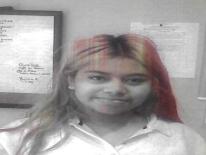
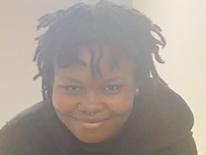
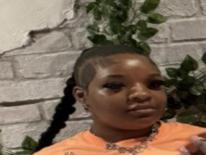
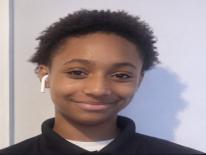
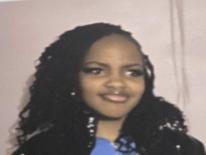
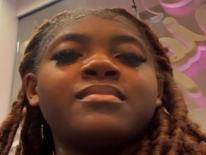
As of March 30, 2026, the juvenile names listed on the Metropolitan Police Department’s “Currently Missing” page include Kimora White, 13; Joshua Quigley, 15; Malaysia Allen, 12; ARi Talley, 17; Khalil Hall, 16; Laynya Fitzhugh, 16; Jamiyah Davis, 14; Yaniza Almendarez-Zecena, 15; Paige Doye, 15; Janelle Thomas, 17; Zori Johnson, 12; Micah Carrington, 17; Amari Wilson, 16; Delayja Stewart, 14; Kyon Jones, 2 months; and Relisha T. Rudd, 8. MPD’s page also shows when they were reported missing, with several posted in March 2026 alone. D.C. Metropolitan Police Missing
These are not talking points. These are not passing blurbs for people to scroll past. These are someone’s children. And every single name should be forcing a larger public reckoning about how this country responds when young people, especially Black children, go missing.
What’s troubling is how easy it is for the public to become numb. A police webpage updates. A new flier appears. Another child’s name is added. Then the day moves on as though this is normal. But there is nothing normal about a city carrying this many missing juvenile cases on a public law-enforcement page. There is nothing normal about that at all.
To be clear, MPD says the page is updated daily and that information changes in real time as missing people are reported and found. The department also notes that fliers are removed when a missing person is located. That matters. Accuracy matters. But even with that reality, the larger question still stands. Why does it take so little to make these children disappear from public conversation, even when they have not yet returned home? That’s where the real indictment should begin.
America has a long and ugly habit of deciding which missing children deserve saturation coverage and which ones get a fraction of that concern. Some children become household names. Others remain trapped on police websites, known mainly to grieving families, local advocates, and whoever happens to stumble across their photo online. That disparity is not accidental. It reflects whose innocence is centered, whose pain is amplified, and whose disappearances are treated like emergencies rather than routine entries in a database.
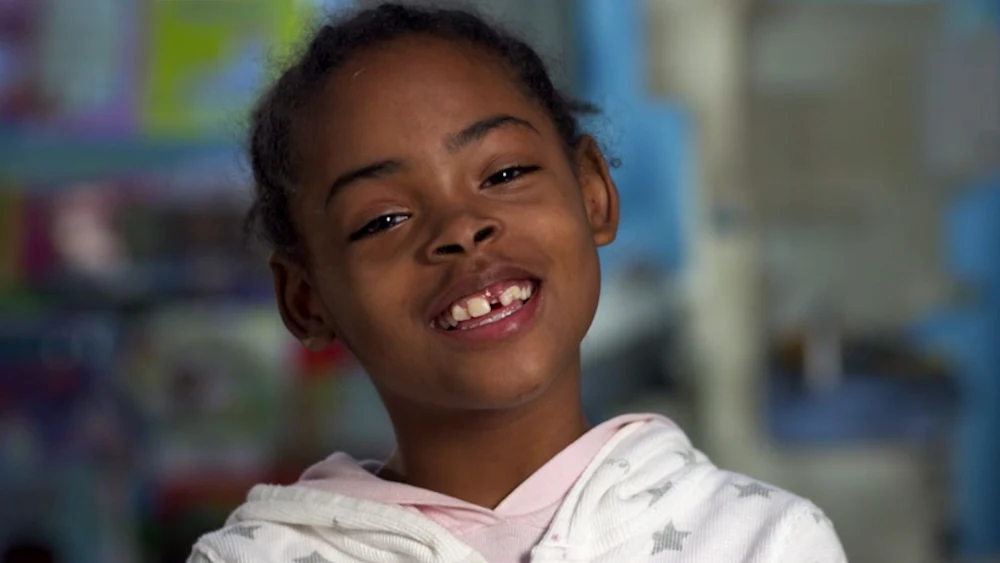
The name Relisha T. Rudd should still haunt this city. MPD’s page lists her as missing since March 1, 2014. That’s over 12 years. Her case should have permanently changed the way Washington responds to missing children. It should have created a culture of sustained vigilance. Instead, too often the lesson seems to have been forgotten, while more names continue to appear.
Young Relisha Rudd, missing since April 1, 2014.
That is why these names must be said. That is why these children must be seen. Naming the missing is one way of resisting the silence that too often swallows them. Every flier represents a family living in fear. Every date on that page marks another day of uncertainty, another day without answers, another day a child remains out of sight and, too often, out of the public mind.
Washington, D.C. should not be comfortable with this. The nation should not be comfortable with this. The media should not be comfortable with this. The public should not be comfortable with this. These children deserve more than a webpage. They deserve headlines. They deserve urgency. They deserve organized public attention. And above all, they deserve to be found.
Young, Black, and missing in America should never be a normal condition. In Washington, D.C., it is a moral emergency.
David B. Adams is a journalist, crime writer, and founder of The People's Champion, a platform built on truth, justice, and advocacy for the overlooked. For over a decade, Adams has investigated wrongful convictions, missing and exploited children, homelessness, and the political forces that shape marginalized communities' lives.
What sets his work apart is a refusal to sensationalize. Adams treats crime reporting as human storytelling — pushing past headlines to examine the systemic failures in law enforcement, the courts, and government that so often go unexamined. He's built a reputation among activists and advocates for combining deep research, personal narrative, and unflinching commentary.
The People's Champion began as a personal outlet and has grown into a respected independent voice in crime and justice journalism, read by audiences nationwide who care about accountability and the people too often left out of the story.