Lost in the Shadows of Mississippi’s Darkness: The Unanswered Disappearance of Lester “LJ” Jones Jr.
Posted by David Adams on July 27th, 2026
America often criticizes Black people for distrusting authorities, particularly in places such as Mississippi. But trust cannot be demanded while history remains unresolved. For generations, Black families have carried stories of people being threatened, abducted, murdered and buried without justice. This is not folklore. The FBI and Department of Justice have documented Mississippi cases in which Black victims and civil-rights workers disappeared, local officials were implicated or obstructive, and justice arrived decades late, if it even arrived at all.
That history does not prove what happened to Lester “LJ” Raymond Jones Jr. But it explains why his disappearance cannot be treated as merely another cold missing person case. It explains why silence feels suspicious. Why Black families refuse to accept that a promising young man can simply vanish from a Mississippi highway and never be heard from again.
Lester Raymond Jones Jr. was 26 years old when he disappeared on January 11, 2010. He was not drifting without direction. The Starkville resident was just months away from completing his Masters Degree at Mississippi State University in biomedical engineering. Jones was also a memeber of the Omega Psi Phi Fraternity Inc. His future was bright and appeared to be opening before him.
But on a cold January night, LJ left Starkville and headed toward the Jackson area, reportedly intending to meet up with friends. the last known sighting of him was revealed via a store camera. At approximately 10:18 p.m. that night, surveillance footage captured him at a Sprint Mart in Flowood. He was driving a blue 2002 Ford Expedition with a Mississippi license plate KTW-714. He was reportedly wearing blue jeans and a blue shirt. After that sighting, the trail went cold.
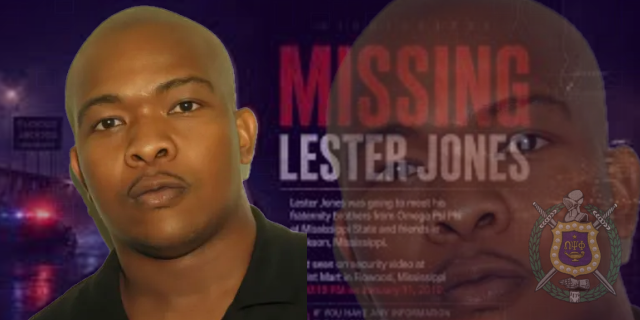
Lester “LJ” Jones Jr. went missing after vanishing on a Mississippi road in 2010.
LJ did not arrive at his anticipated destination. His vehicle was never located, and his family never received the call that would explain what happened to him. There has been no confirmed sightings, no public discovery of remains and no resolution in his case in over 16 years. His case remains listed in both NamUs and the Mississippi Repository for Missing and Unidentified Persons.
A man and a large sport-utility vehicle just seemingly disappeared together without a trace. People do not simply evaporate. Someone may have seen LJ’s Ford Expedition that night, remember a vehicle stopped along the highway, where he went after leaving the gas station, or may remember a conversation, an argument, a passenger, a mechanical problem or an unusual vehicle abandoned on private property.
The answer may be sitting inside a memory that someone dismissed as insignificant in 2010. Cold cases are rarely solved by magic. They are solved because somebody finally speaks, old assumptions are reconsidered, technology improves or investigators decide that a forgotten case deserves another serious look. LJ’s case deserves another look.
Mississippi’s history cannot be separated from its present, because Black Americans historically express distrust towards Mississippi institutions, and that distrust did not emerge from imagination.
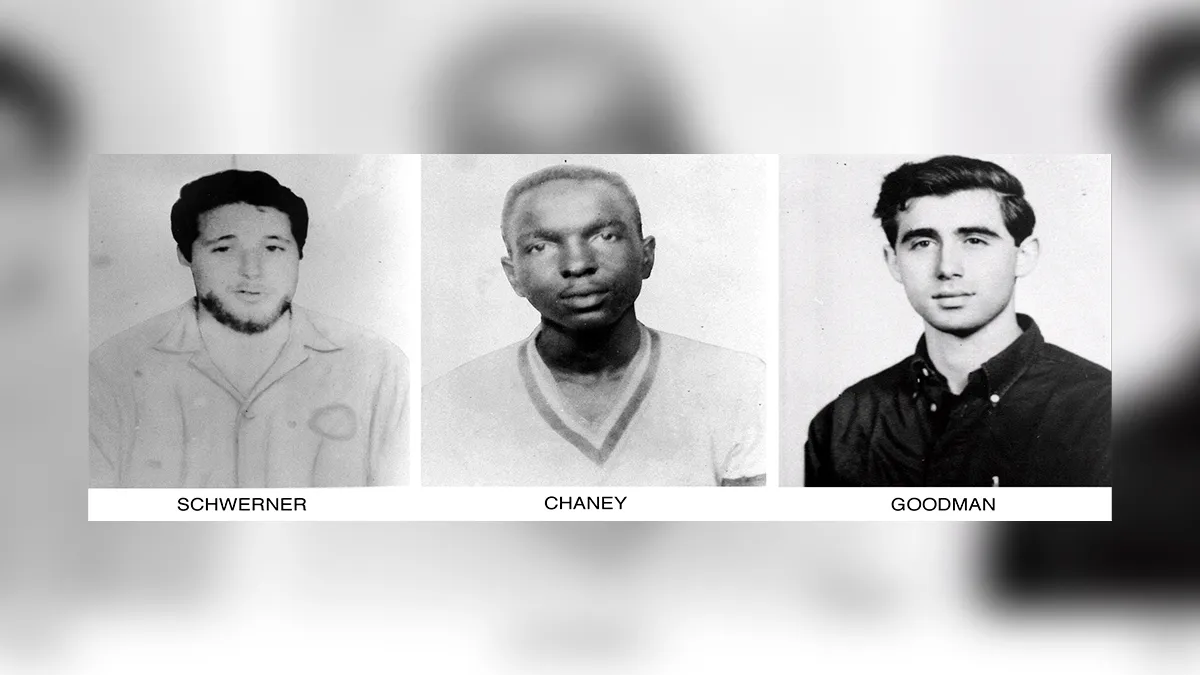
In 1964, civil-rights workers James Chaney, Andrew Goodman and Michael Schwerner were arrested by a Mississippi deputy, released into a planned Klan ambush, murdered and buried beneath an earthen dam. Federal records later established the involvement of law-enforcement personnel and members of the Ku Klux Klan.
Civil Rights workers James Chaney, Andrew Goodman and Michael Schwerner went missing in Mississippi in 1964. Their bodies were later discovered dead.
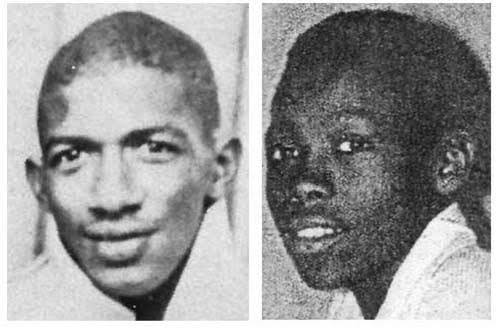
Henry Hezekiah Dee and Charles Eddie Moore, two young Black men, were abducted, beaten, weighted down and thrown into a Mississippi river in another Klan murder. A conviction did not come until more than 40 years later.
Henry Hezekiah Dee and Charles Eddie Moore were abducted and murdered by members of the Ku Klux Klan.
Those histories do not establish that LJ was the victim of racial violence or official wrongdoing. No publicly established evidence currently proves that. But history does establish why his disappearance cannot be answered with indifference.
Authorities should periodically review the case using modern investigative methods, including updated searches of unidentified-remains databases, renewed examination of telephone and financial records where legally available, vehicle-database comparisons and fresh interviews with everyone connected to his anticipated destination.
The public should also demand transparency about what was searched, what remains unsearched and whether every plausible route between Starkville, Flowood and Jackson were thoroughly examined.
Name: Lester Raymond “LJ” Jones Jr.
Missing since: January 11, 2010
Last confirmed location: Sprint Mart in Flowood, Mississippi
Vehicle: Blue 2002 Ford Expedition
Agency: Starkville Police Department
Telephone: 662-324-4019
Anyone with credible information should contact the Starkville Police Department. Even a detail that appeared unimportant in 2010 may matter today.
David B. Adams grew up in the Highlandtown section of Baltimore's southeast district and is his parent's youngest child. He experienced pervasive poverty, which taught him humility and compassion for the plight of others. His exposure to violence and gritty urban life were some of his early lessons of life's many hardships. Adams credits the upheavals he endured during his conformity with helping to shape the foundation of his outlook and perspectives on society.
With a steadfast commitment to giving voice to the voiceless, Adams is a journalist, crime writer, and blogger renowned for tireless investigative journalism and advocacy on behalf of vulnerable populations. As founder and administrator of The People's Champion, Adams sheds light on critical social issues, championing the rights of:
- Homeless individuals
- Victims of violent crime and their families
- Wrongfully convicted individuals
- Missing and exploited children; Additionally, he is
a seasoned investigative reporter, Adams has earned recognition for relentless pursuit of truth and justice. With a strong national and global focus, on inspiring meaningful change and crucial conversations impacting all of humanity.
America often criticizes Black people for distrusting authorities, particularly in places such as Mississippi. But trust cannot be demanded while history remains unresolved. For generations, Black families have carried stories of people being threatened, abducted, murdered and buried without justice. This is not folklore. The FBI and Department of Justice have documented Mississippi cases in which Black victims and civil-rights workers disappeared, local officials were implicated or obstructive, and justice arrived decades late, if it even arrived at all.
That history does not prove what happened to Lester “LJ” Raymond Jones Jr. But it explains why his disappearance cannot be treated as merely another cold missing person case. It explains why silence feels suspicious. Why Black families refuse to accept that a promising young man can simply vanish from a Mississippi highway and never be heard from again.
Lester Raymond Jones Jr. was 26 years old when he disappeared on January 11, 2010. He was not drifting without direction. The Starkville resident was just months away from completing his Masters Degree at Mississippi State University in biomedical engineering. Jones was also a memeber of the Omega Psi Phi Fraternity Inc. His future was bright and appeared to be opening before him.
But on a cold January night, LJ left Starkville and headed toward the Jackson area, reportedly intending to meet up with friends. the last known sighting of him was revealed via a store camera. At approximately 10:18 p.m. that night, surveillance footage captured him at a Sprint Mart in Flowood. He was driving a blue 2002 Ford Expedition with a Mississippi license plate KTW-714. He was reportedly wearing blue jeans and a blue shirt. After that sighting, the trail went cold.
Lester “LJ” Jones Jr. went missing after vanishing on a Mississippi road in 2010.
LJ did not arrive at his anticipated destination. His vehicle was never located, and his family never received the call that would explain what happened to him. There has been no confirmed sightings, no public discovery of remains and no resolution in his case in over 16 years. His case remains listed in both NamUs and the Mississippi Repository for Missing and Unidentified Persons.
A man and a large sport-utility vehicle just seemingly disappeared together without a trace. People do not simply evaporate. Someone may have seen LJ’s Ford Expedition that night, remember a vehicle stopped along the highway, where he went after leaving the gas station, or may remember a conversation, an argument, a passenger, a mechanical problem or an unusual vehicle abandoned on private property.
The answer may be sitting inside a memory that someone dismissed as insignificant in 2010. Cold cases are rarely solved by magic. They are solved because somebody finally speaks, old assumptions are reconsidered, technology improves or investigators decide that a forgotten case deserves another serious look. LJ’s case deserves another look.
Mississippi’s history cannot be separated from its present, because Black Americans historically express distrust towards Mississippi institutions, and that distrust did not emerge from imagination.
In 1964, civil-rights workers James Chaney, Andrew Goodman and Michael Schwerner were arrested by a Mississippi deputy, released into a planned Klan ambush, murdered and buried beneath an earthen dam. Federal records later established the involvement of law-enforcement personnel and members of the Ku Klux Klan.
Civil Rights workers James Chaney, Andrew Goodman and Michael Schwerner went missing in Mississippi in 1964. Their bodies were later discovered dead.
Henry Hezekiah Dee and Charles Eddie Moore, two young Black men, were abducted, beaten, weighted down and thrown into a Mississippi river in another Klan murder. A conviction did not come until more than 40 years later.
Henry Hezekiah Dee and Charles Eddie Moore were abducted and murdered by members of the Ku Klux Klan.
Those histories do not establish that LJ was the victim of racial violence or official wrongdoing. No publicly established evidence currently proves that. But history does establish why his disappearance cannot be answered with indifference.
Authorities should periodically review the case using modern investigative methods, including updated searches of unidentified-remains databases, renewed examination of telephone and financial records where legally available, vehicle-database comparisons and fresh interviews with everyone connected to his anticipated destination.
The public should also demand transparency about what was searched, what remains unsearched and whether every plausible route between Starkville, Flowood and Jackson were thoroughly examined.
Name: Lester Raymond “LJ” Jones Jr.
Missing since: January 11, 2010
Last confirmed location: Sprint Mart in Flowood, Mississippi
Vehicle: Blue 2002 Ford Expedition
Agency: Starkville Police Department
Telephone: 662-324-4019
Anyone with credible information should contact the Starkville Police Department. Even a detail that appeared unimportant in 2010 may matter today.
David B. Adams grew up in the Highlandtown section of Baltimore's southeast district and is his parent's youngest child. He experienced pervasive poverty, which taught him humility and compassion for the plight of others. His exposure to violence and gritty urban life were some of his early lessons of life's many hardships. Adams credits the upheavals he endured during his conformity with helping to shape the foundation of his outlook and perspectives on society.
With a steadfast commitment to giving voice to the voiceless, Adams is a journalist, crime writer, and blogger renowned for tireless investigative journalism and advocacy on behalf of vulnerable populations. As founder and administrator of The People's Champion, Adams sheds light on critical social issues, championing the rights of:
- Homeless individuals
- Victims of violent crime and their families
- Wrongfully convicted individuals
- Missing and exploited children; Additionally, he is
a seasoned investigative reporter, Adams has earned recognition for relentless pursuit of truth and justice. With a strong national and global focus, on inspiring meaningful change and crucial conversations impacting all of humanity.
Missing Since Oct 19, 2013 Missing From Newark, NJ Age Now 14 Anyone with information regarding the whereabouts of Victoria Williams may contact Newark Police at (973) 733-6000
(CBS/AP) WATERVILLE, Maine - For the first time in the ongoing investigation of missing toddler Ayla Reynolds, police have said they believe she has been kidnapped. Investigators said Monday the 20-month-old was taken away and did not walk out on on her own.Police Chief Joseph Massey said at a news conference, "At this point in […]
DETROIT (WJBK) -- Detroit Police has announced it has joined forces with Michigan State Police and the FBI to find two missing children after their mother was found dead Monday. The Michigan State Police earlier denied a Detroit police request for an Amber Alert to be issued. "What I'm told is [The Amber Alert] didn't […]